Top 5 Misconceptions About African Dance and How to Embrace the True Spirit
When it comes to African dance, many people harbor misconceptions that can obscure the rich cultural significance and diversity of this dynamic art form. Understanding the truth behind these myths can help us appreciate African dance in its full vibrancy and complexity.
Misconception 1: African Dance is One Homogenous Style
One common misunderstanding is that African dance is a single, uniform style. In reality, Africa is a vast continent with over 50 countries, each with its own unique dances that reflect diverse cultures and traditions. From the energetic movements of West African dances like Sabar to the rhythmic footwork of South African Gumboot, the variety is immense.
To truly embrace African dance, it’s essential to recognize and respect these differences. Engaging with various styles can offer a richer understanding of the cultural narratives they represent.
Misconception 2: African Dance is Only About Entertainment
Another misconception is that African dance is merely entertainment. While it is undoubtedly captivating, African dance often serves deeper purposes. It is used in ceremonies, storytelling, and even as a means of communication. These dances can convey emotions, tell stories, and mark significant life events.
Understanding this helps us see African dance as a profound cultural expression rather than just a spectacle.

Misconception 3: African Dance Has No Structure
Some people mistakenly believe that African dance lacks structure and is purely improvisational. However, many African dances are highly structured and require rigorous training. They often have specific movements, rhythms, and patterns that dancers must master.
This structure is what allows dancers to communicate and connect with each other and their audiences, ensuring the dance's cultural messages are clearly conveyed.
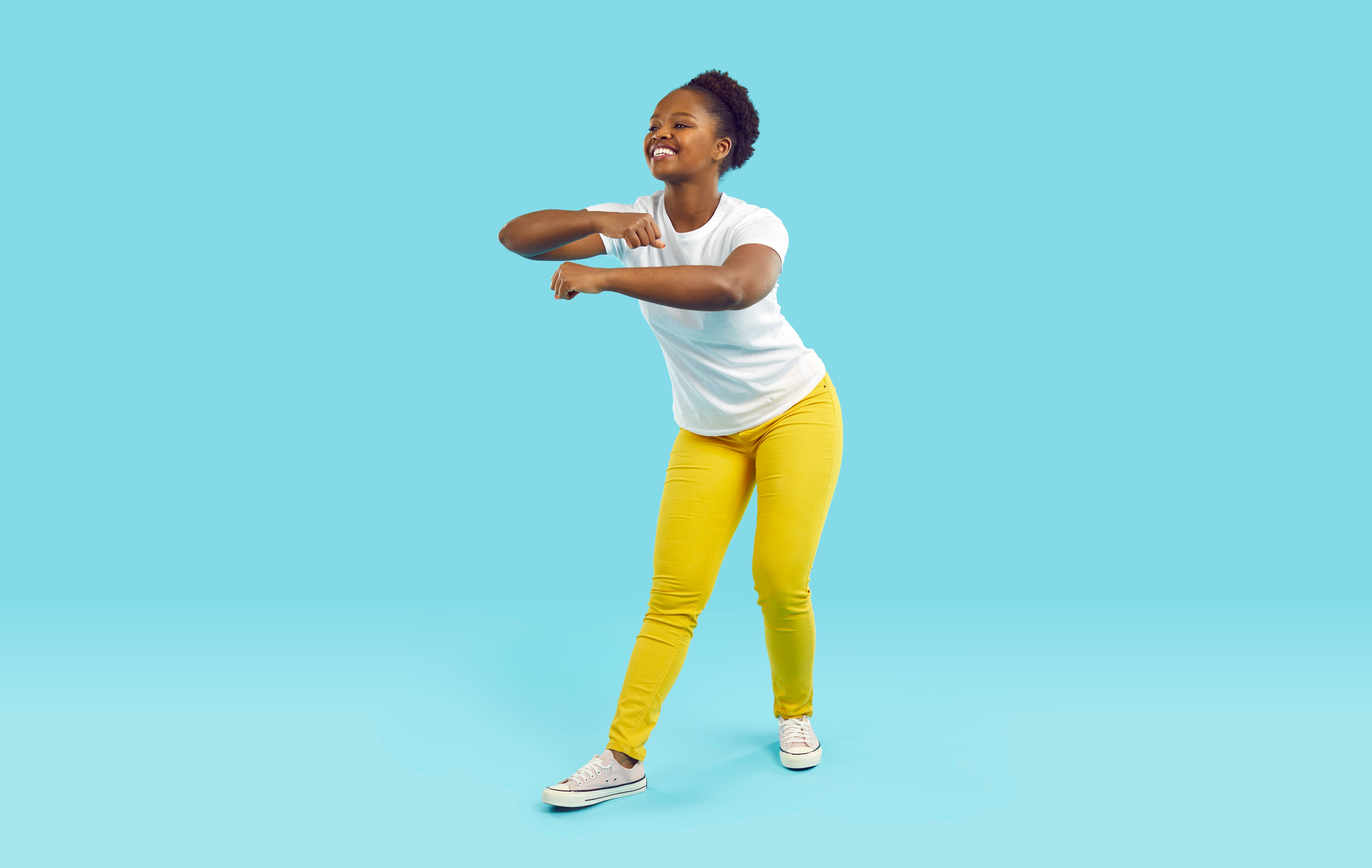
Misconception 4: Only Africans Can Perform African Dance
While African dance is deeply rooted in African traditions, it is not exclusive to people of African descent. Anyone can learn and perform these dances with respect and dedication. Embracing African dance can be a wonderful way to engage with and appreciate different cultures.
What’s most important is approaching it with an open mind and a willingness to learn about the dance's cultural significance and history.
Misconception 5: African Dance is Separate from Other Art Forms
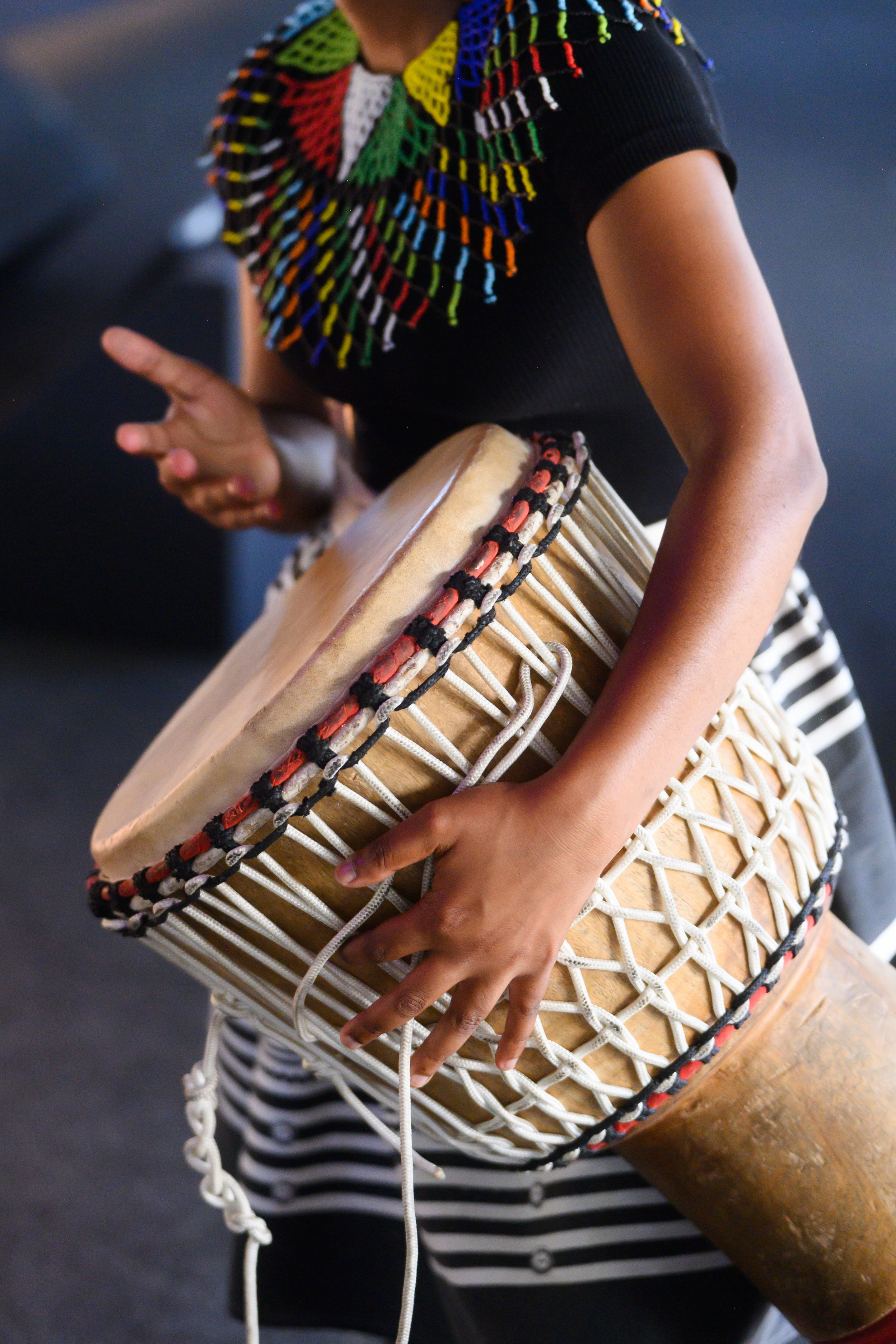
Finally, some people view African dance as distinct from other art forms. In reality, African dance is often intertwined with music, drama, and visual arts, creating a holistic cultural experience. Drumming, singing, and costume design frequently accompany the dance, enhancing its storytelling power.
By recognizing these connections, we can appreciate African dance as part of a larger artistic and cultural tapestry.
In conclusion, African dance is a vibrant, multifaceted art form that offers much more than meets the eye. By dispelling these misconceptions, we can open ourselves to its true spirit and celebrate the rich cultural heritage it embodies. Whether as a dancer or an admirer, embracing African dance with respect and curiosity can lead to a deeper cultural appreciation and understanding.