
Top 5 African Drumming Techniques for Beginners
Introduction to African Drumming
African drumming is a vibrant and deeply cultural form of music that has transcended borders and influenced music worldwide. It is an excellent way for beginners to explore rhythm, coordination, and cultural expression. In this post, we'll explore the top five African drumming techniques that every beginner should know.

Understanding Basic Rhythms
Before diving into specific techniques, it's essential to understand the basic rhythms that form the foundation of African drumming. These rhythms are often polyrhythmic, meaning multiple rhythms occur simultaneously. Start by familiarizing yourself with simple counts and gradually introduce more complex patterns.
The Importance of Timing
Timing is crucial in African drumming. Practicing with a metronome can help maintain steady beats as you learn. Begin with slow tempos and gradually increase your speed as you become more comfortable.
Technique 1: The Bass Tone
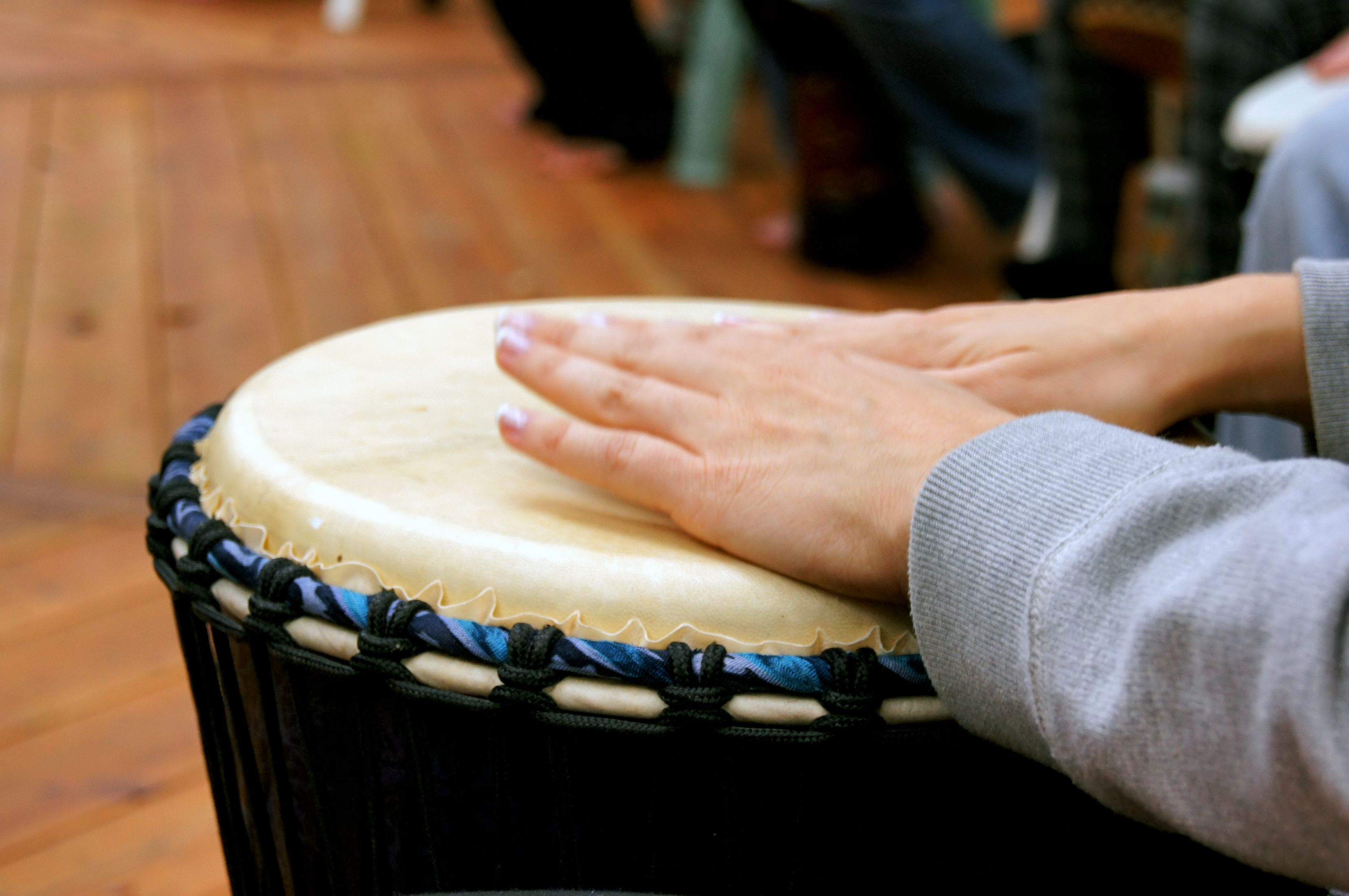
The bass tone is produced by striking the drum's center with an open hand. This creates a deep, resonant sound that forms the backbone of many African rhythms. Focus on striking the drum with a relaxed hand to achieve a full tone.
Practicing the Bass Tone
Spend time practicing the bass tone on its own. Listen for the richness of the sound and adjust your hand position as needed. Consistent practice will help develop the strength and precision required for more complex rhythms.
Technique 2: The Slap Tone
The slap tone is characterized by a sharp, high-pitched sound. It is achieved by striking the drum's edge with the fingers while keeping the palm open. This technique adds texture and variety to drumming patterns.
Perfecting the Slap Tone
To master the slap tone, practice alternating between the bass and slap tones. This will help you understand how different sounds work together to create intricate rhythms. Remember, precision is key to achieving the desired sound.
Technique 3: The Open Tone
The open tone is another essential technique, producing a clear, ringing sound. Strike the drum near the edge with your fingers, ensuring your hand bounces off quickly to allow the drum to resonate.

Incorporating the Open Tone
Integrate the open tone into your practice by alternating between the bass, slap, and open tones. This combination will enhance your ability to create dynamic rhythms and improve your overall drumming skills.
Technique 4: The Muffled Tone
The muffled tone is achieved by pressing the hand against the drumhead after striking it, dampening the sound. This technique is essential for adding contrast and complexity to your drumming.
Exploring Muffled Rhythms
Experiment with muffled tones by combining them with open and slap tones. This will give your drumming a more nuanced and expressive quality, allowing you to convey emotions and stories through your music.
Technique 5: The Flam
The flam is a technique where two hits are played in quick succession, creating a fuller sound. Start with one hand and quickly follow with the other, producing a rich, layered effect.
Mastering the Flam
Practice flams by incorporating them into existing rhythms. This will add depth and complexity to your drumming, making your performances more captivating and engaging.
Conclusion
Exploring these African drumming techniques is a rewarding journey that offers endless opportunities for creativity and expression. As a beginner, focus on mastering each technique, and remember that practice and patience are key to your success. Happy drumming!