The Rich Tradition of African Drumming: A Journey Through History
The Origins of African Drumming
African drumming is an ancient art form with roots that stretch back thousands of years. It has served as a vital cultural, spiritual, and communal activity across various African societies. Drums were, and still are, a means of communication, storytelling, and celebration. They are not just musical instruments; they are a language of their own.
The intricate rhythms and beats symbolize the heart of African culture. These rhythms are passed down through generations, preserving the rich history and traditions of the continent. Each region in Africa boasts its own unique drumming styles and techniques, influenced by local customs and beliefs.
The Role of Drumming in Society
Drumming plays a crucial role in various aspects of African life. It is often used in religious ceremonies, social gatherings, and as a form of communication. In many cultures, drums are believed to possess spiritual powers and are used to connect with ancestors and deities. The drumbeat is also a call to gather, uniting communities and fostering a sense of belonging.
In certain African societies, drumming is used to send messages across long distances. The different rhythms and patterns can convey specific meanings, allowing communities to communicate effectively without the need for words.
Types of African Drums
Africa is home to a diverse range of drums, each with its distinct sound and purpose. Some of the most well-known types include:
- Djembe: Originating from West Africa, the djembe is a goblet-shaped drum played with bare hands. It is known for its wide range of sounds, from deep bass to sharp slaps.
- Talking Drum: This hourglass-shaped drum can mimic the tone and prosody of human speech. It is played with a curved stick and is common in Nigeria and surrounding areas.
- Bata: These double-headed drums are traditionally used in religious ceremonies, especially in Yoruba culture.
The Influence of African Drumming Worldwide
The impact of African drumming extends far beyond the continent. Its rhythms have influenced a variety of musical genres around the world, including jazz, blues, and rock. The syncopated beats and polyrhythms characteristic of African drumming have been adopted and adapted by musicians globally, showcasing its universal appeal.
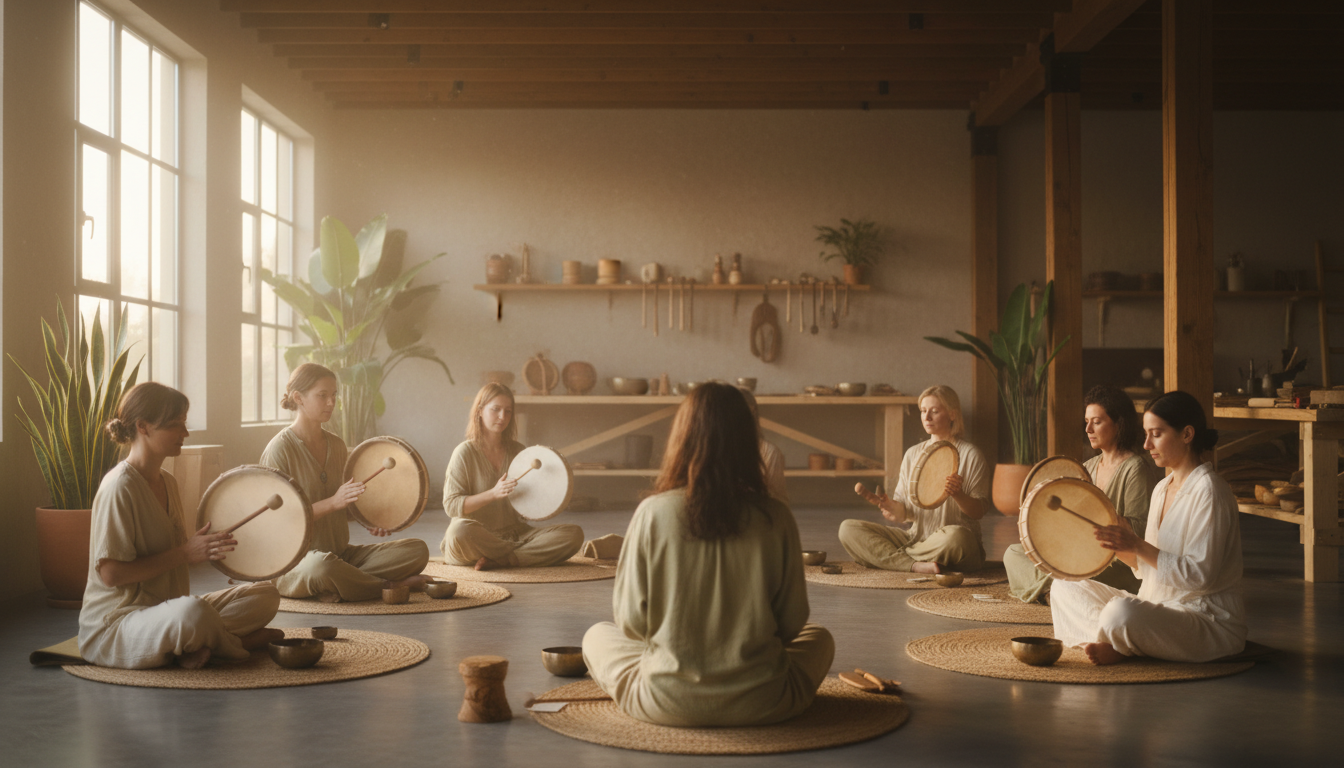
In recent years, African drumming has gained popularity in wellness and therapeutic settings. The rhythmic patterns are used in drum circles to promote relaxation, stress relief, and community building. This ancient art form continues to resonate with people of all backgrounds, offering a unique way to connect with oneself and others.
Preservation and Innovation
Efforts are being made across Africa to preserve traditional drumming techniques while also encouraging innovation. Many artists are blending traditional rhythms with modern music styles, creating a fusion that appeals to younger generations while honoring the past.
Drumming festivals and workshops are held worldwide, celebrating the art form and encouraging cultural exchange. These events provide a platform for drummers to showcase their skills, learn from one another, and inspire audiences with the power of rhythm.
African drumming is a testament to the continent's rich cultural heritage and its enduring influence on the world. As it continues to evolve, it remains a vibrant and dynamic expression of African identity and creativity.