The Rich History of African Drumming in Adelaide
The Introduction of African Drumming to Adelaide
African drumming has a rich and vibrant history, resonating deeply within the cultural tapestry of Adelaide. This captivating art form was introduced to the city through waves of migration, bringing with it a rhythm that speaks to the soul. For many, it serves as a powerful connection to African heritage and a means of cultural expression.
Early Beginnings
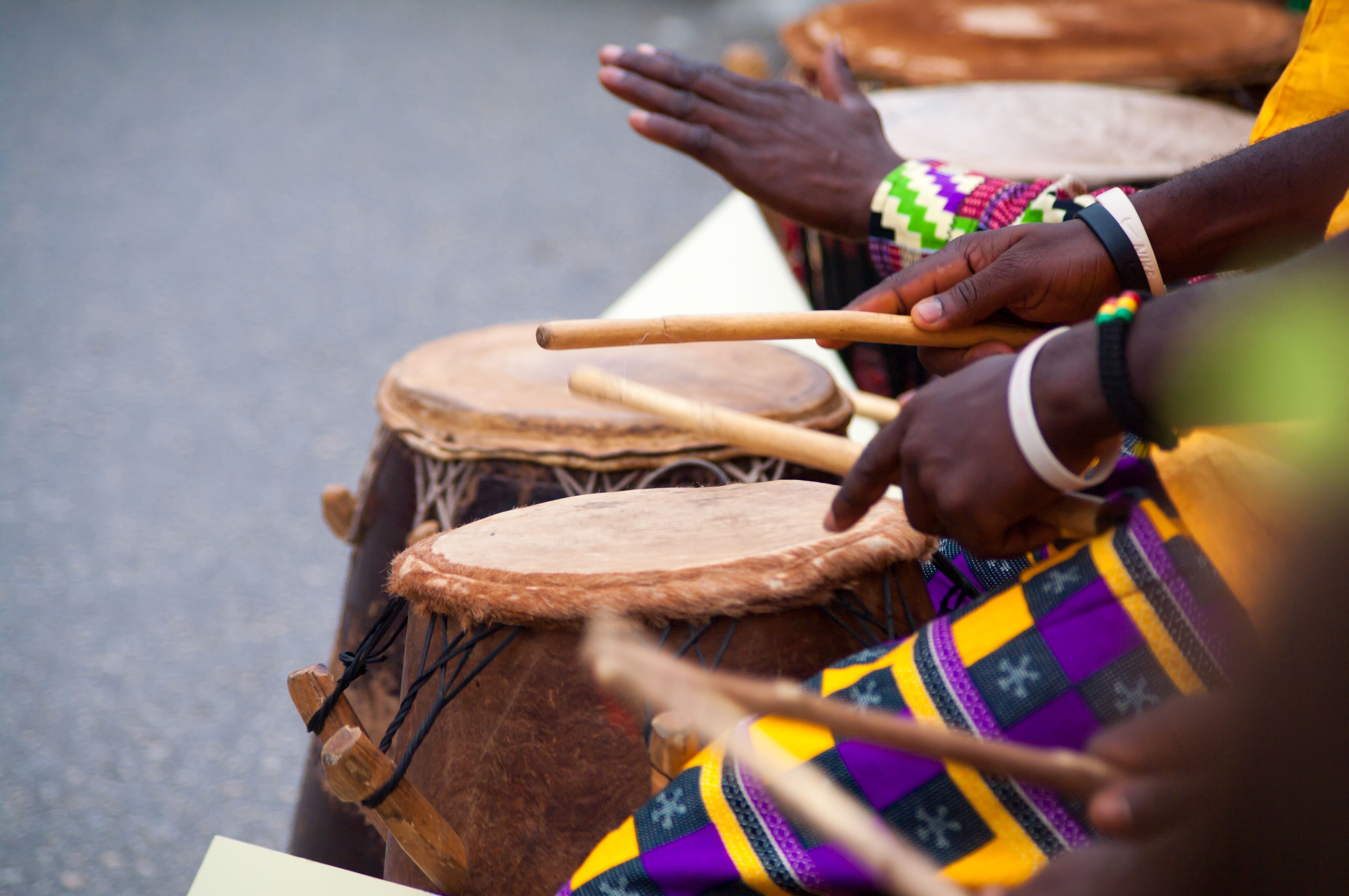
The initial introduction of African drumming to Adelaide can be traced back to the mid-20th century when immigrants from various African countries settled in the region. They brought with them the traditional djembe and dundun drums, each with unique sounds and purposes. These instruments quickly found a place in local community events, captivating audiences with their intricate rhythms and vibrant performances.
As interest grew, workshops and classes began to emerge, allowing locals to experience the joy and complexity of African drumming firsthand. These educational endeavors laid the groundwork for a more profound appreciation and understanding of African musical traditions.

The Cultural Impact
African drumming in Adelaide has played a significant role in promoting multiculturalism and fostering a sense of community. Through festivals, performances, and educational programs, the art form has helped bridge cultural gaps and celebrate diversity. Local organizations and cultural centers frequently host events that showcase African drumming, drawing in diverse audiences eager to experience its magnetic allure.
The rhythm of the drums has also found its way into schools, where students are taught not only the technical aspects of drumming but also the cultural significance behind the beats. This educational integration highlights the importance of preserving and sharing cultural traditions across generations.

Evolution and Modern Influence
Over the years, African drumming in Adelaide has evolved, incorporating modern elements and cross-cultural influences. Musicians and performers have blended traditional African rhythms with contemporary music genres, creating unique fusion styles that resonate with a broader audience. This evolution has kept the tradition alive and relevant, ensuring its continued presence in Adelaide's cultural scene.
Today, African drumming is not only a cultural expression but also a popular form of entertainment and artistic collaboration. Musicians from diverse backgrounds frequently join forces to create innovative performances that celebrate both tradition and modernity.
Conclusion: A Lasting Legacy
The legacy of African drumming in Adelaide is a testament to the power of music as a unifying force. Its rich history and continued influence reflect the city's commitment to embracing and celebrating cultural diversity. As African drumming continues to evolve and inspire, it remains a cherished part of Adelaide's cultural heritage, bringing people together through the universal language of rhythm.