The Rich History of African Drumming: From Tradition to Adelaide
Introduction to African Drumming
African drumming is a profound and vibrant tradition, deeply rooted in the continent's diverse cultures and histories. This art form is more than just music; it is a means of communication, celebration, and spiritual expression. As African communities migrated and settled in various parts of the world, the rhythmic beats of African drums resonated globally, including in places as far as Adelaide.
The Cultural Significance of Drumming in Africa
For centuries, drumming has played a central role in African society. It is used in ceremonies, storytelling, and as a form of social interaction. Different regions have distinct drumming styles and rhythms, each with its unique cultural significance. In West Africa, the djembe drum is particularly revered, symbolizing unity and community.
Drumming is often a communal activity, bringing people together to share in the joy and energy of the music. It is common to see entire communities participating in drumming events, where the rhythm serves as a unifying force. This communal aspect is a testament to the importance of drumming in maintaining cultural identity and social cohesion.
Traditional Instruments and Techniques
African drumming involves a variety of instruments, each with its unique sound and purpose. Some of the most popular drums include:
- Djembe: Known for its wide tonal range, the djembe is played with bare hands.
- Talking Drum: This hourglass-shaped drum can mimic the tone and rhythm of human speech.
- Dunun: A family of West African drums played with sticks, often accompanying the djembe.

The techniques used in African drumming are as diverse as the cultures from which they originate. Drummers often use intricate hand movements and stick techniques to produce a variety of sounds, from deep bass tones to sharp, high-pitched slaps.
Drumming's Journey to Adelaide
Over time, African drumming has traveled beyond its native lands, finding a new home in Adelaide. The city's multicultural environment has embraced these rhythms, incorporating them into various cultural events and music festivals. Local drumming groups and workshops have emerged, celebrating the art and spreading awareness of its rich heritage.
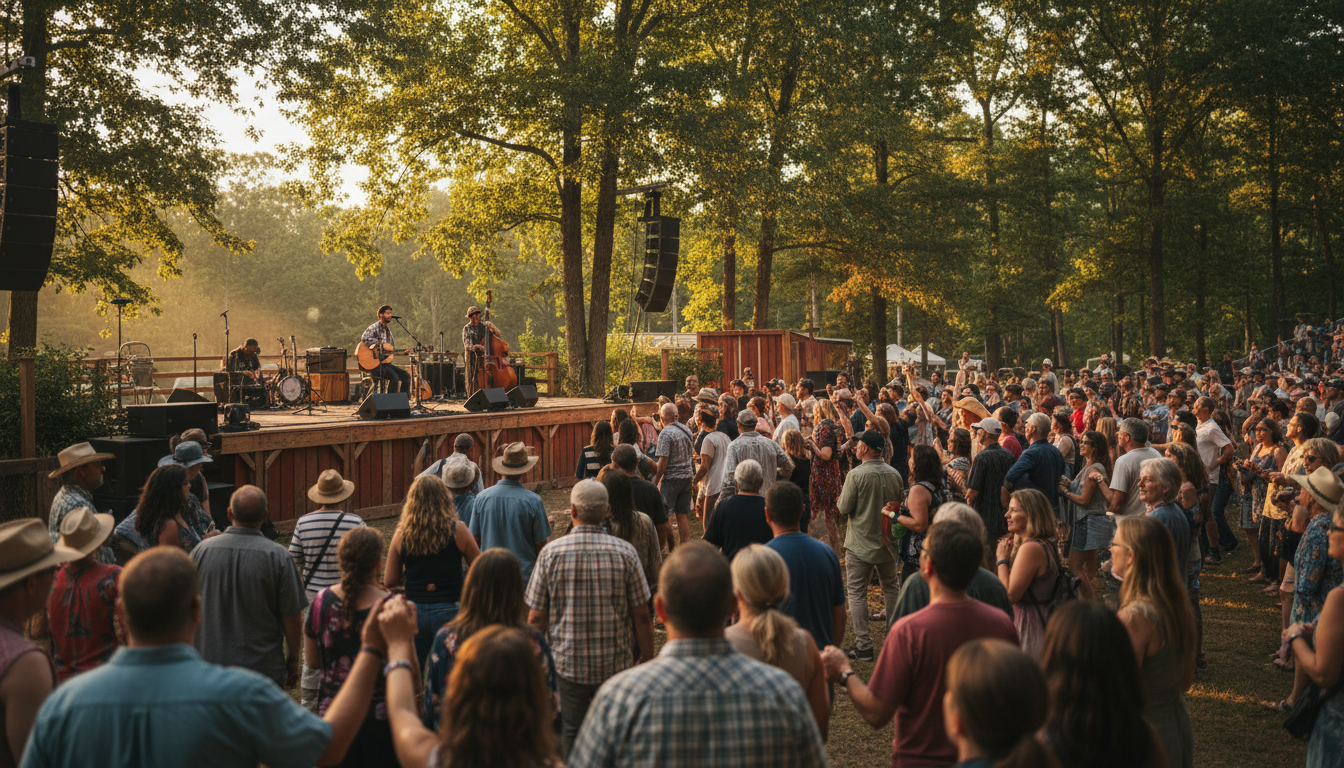
In Adelaide, African drumming has become a symbol of cultural diversity and unity. It is not uncommon to see performances at community gatherings, where people from all backgrounds come together to enjoy and participate in the vibrant beats.
The Modern Adaptation and Influence
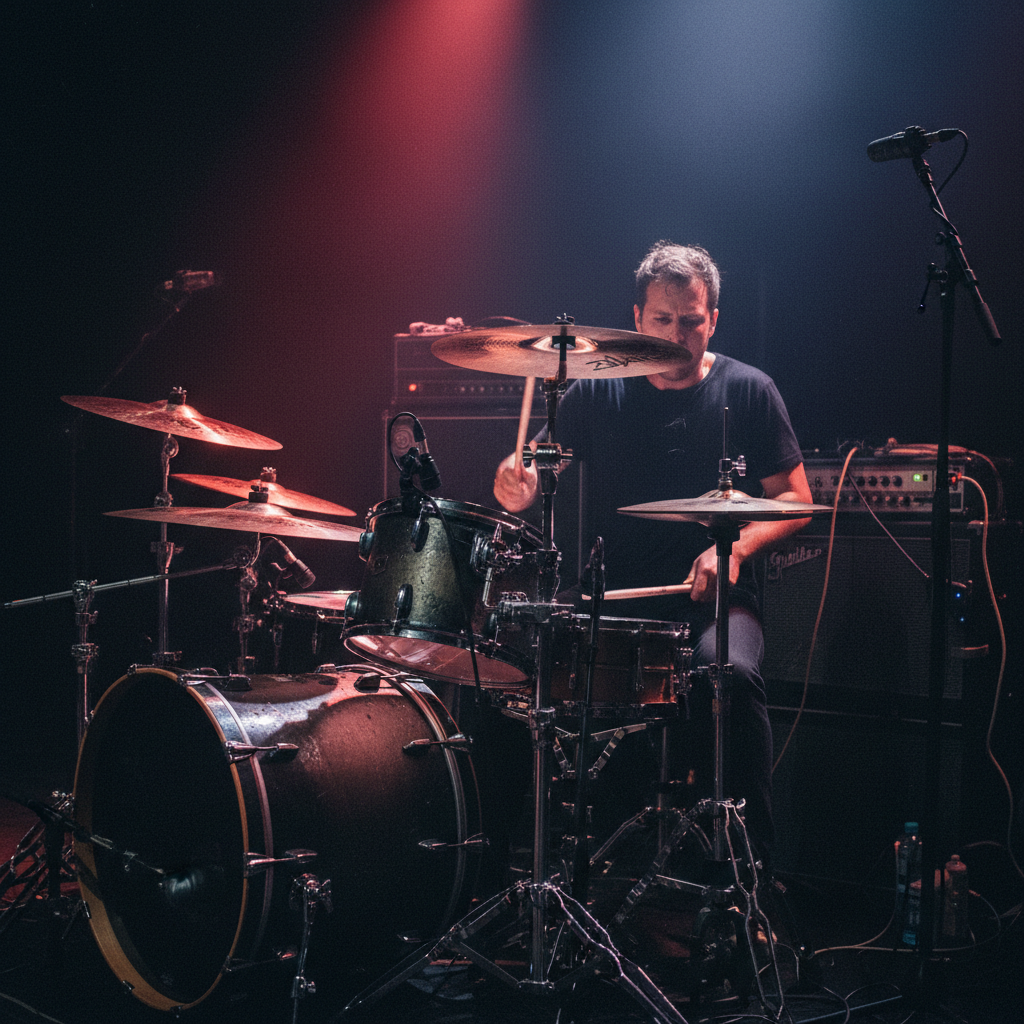
While traditional African drumming remains popular, contemporary musicians have also embraced and adapted these rhythms. Fusion genres have emerged, blending African drumming with jazz, rock, and electronic music. This evolution has allowed the art form to reach a broader audience and continue to influence musicians worldwide.
In Adelaide, local artists are experimenting with these fusion styles, creating unique sounds that honor traditional African rhythms while adding modern twists. This innovation ensures that African drumming remains relevant in today's ever-changing musical landscape.
Conclusion
The rich history of African drumming is a testament to its enduring legacy and cultural significance. From its traditional roots to its modern adaptations, drumming continues to be a powerful form of expression and connection. In Adelaide, this art form not only celebrates African heritage but also fosters a sense of community and global unity.