The Rhythms of Africa: Exploring Traditional Drumming Techniques
The Heartbeat of Africa
Africa, a continent rich in cultural diversity, is renowned for its vibrant music and dance traditions. At the core of this musical landscape is the drum, an instrument that resonates with the soul of the African people. Traditional African drumming is not just music; it is a form of communication, a way to tell stories, celebrate, and even heal.
The rhythms produced by African drums are as varied as the cultures that create them. Each region, and sometimes each village, has its unique style, reflecting the local traditions and beliefs. Understanding these drumming techniques gives us a deeper appreciation of Africa's cultural tapestry.
Types of African Drums
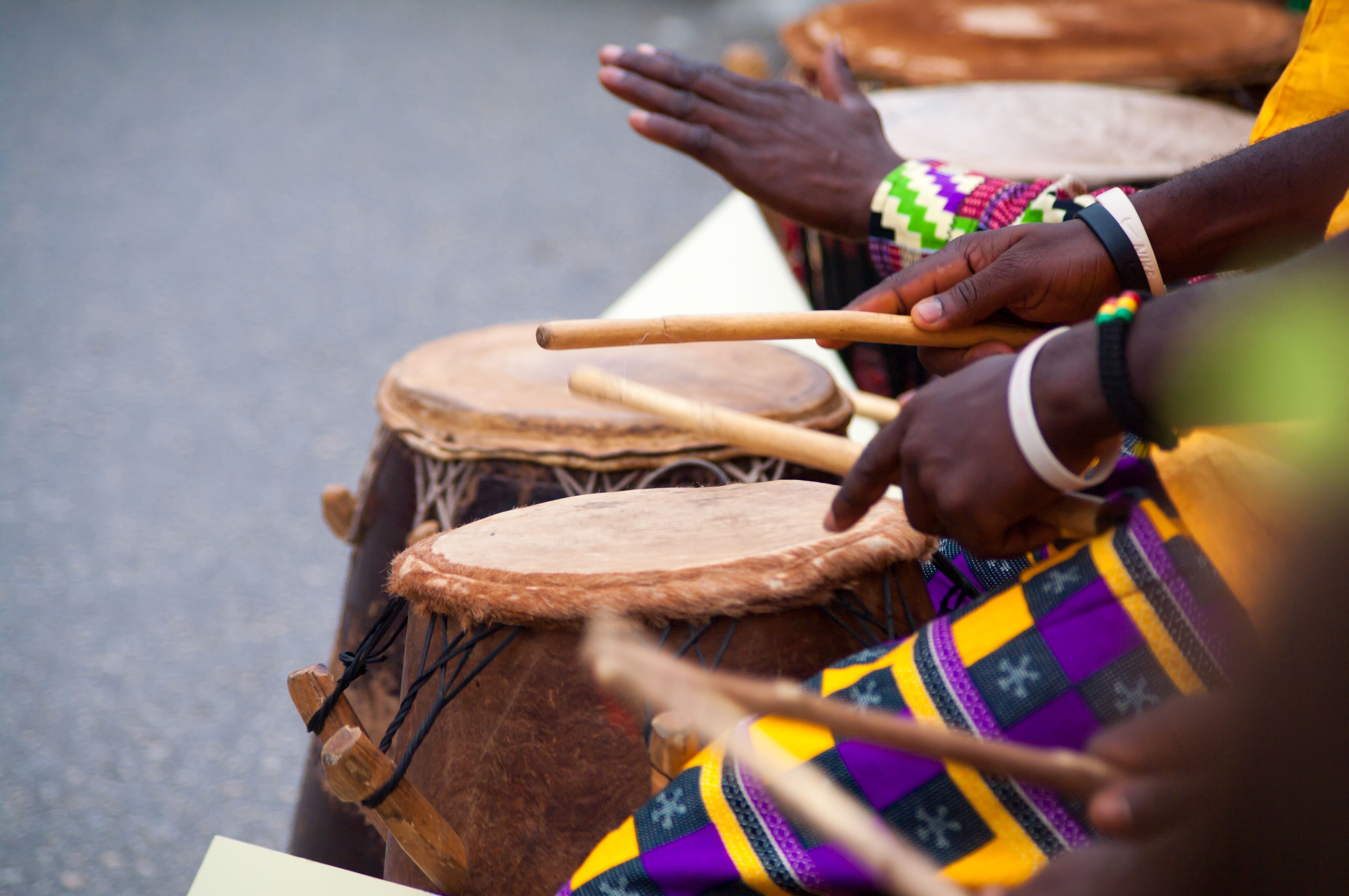
Several types of drums are prevalent in African music, each with distinct sounds and roles. Some of the most popular include:
- Djembe: Originating from West Africa, the djembe is a goblet-shaped drum known for its versatility and powerful sound.
- Talking Drum: This hourglass-shaped drum can mimic the tone and prosody of human speech, allowing drummers to "speak" through rhythm.
- Sabaar: Common in Senegal, this drum is essential in traditional dance music and is often accompanied by other percussion instruments.
Each drum has a specific cultural significance and is often used in ceremonies and rituals. The djembe, for instance, is frequently associated with healing and storytelling sessions.
Techniques and Styles
Traditional African drumming techniques vary widely, often involving complex polyrhythms. Drummers typically use a combination of hand and stick techniques to produce a range of sounds.
In West Africa, for instance, the djembe is played with bare hands, and drummers utilize different parts of the hand to create distinct tones. The "bass" tone is produced by striking the center of the drum, while the "tone" and "slap" come from hitting the edge.
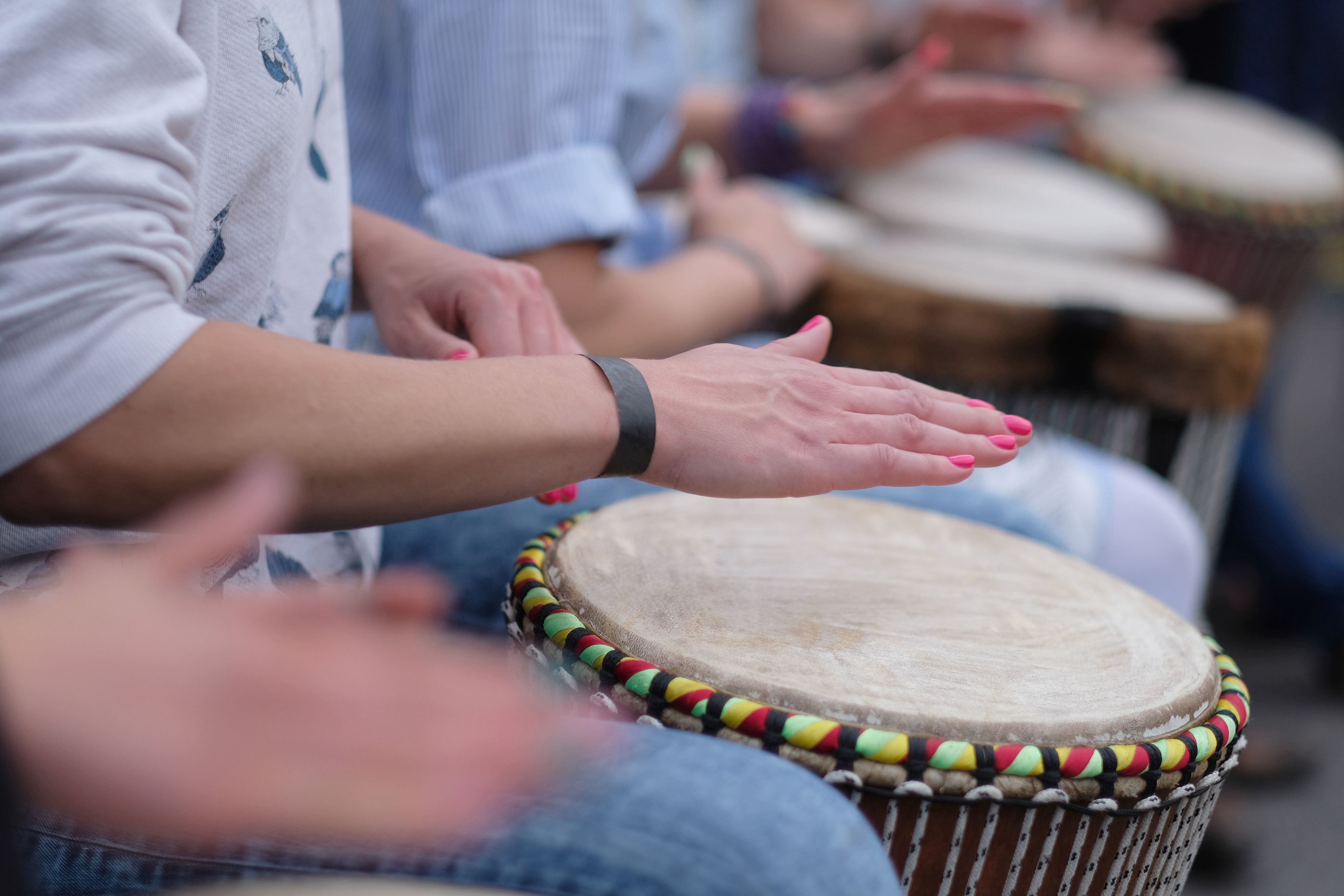
These techniques require years of practice and are often passed down through generations. Master drummers are highly respected figures in their communities, serving as both musicians and teachers.
The Role of Drumming in Society
Drumming holds a central place in African society. It is used in various contexts, from religious ceremonies and weddings to community gatherings and festivals. The rhythms serve as a form of communication, transcending language barriers and uniting people.
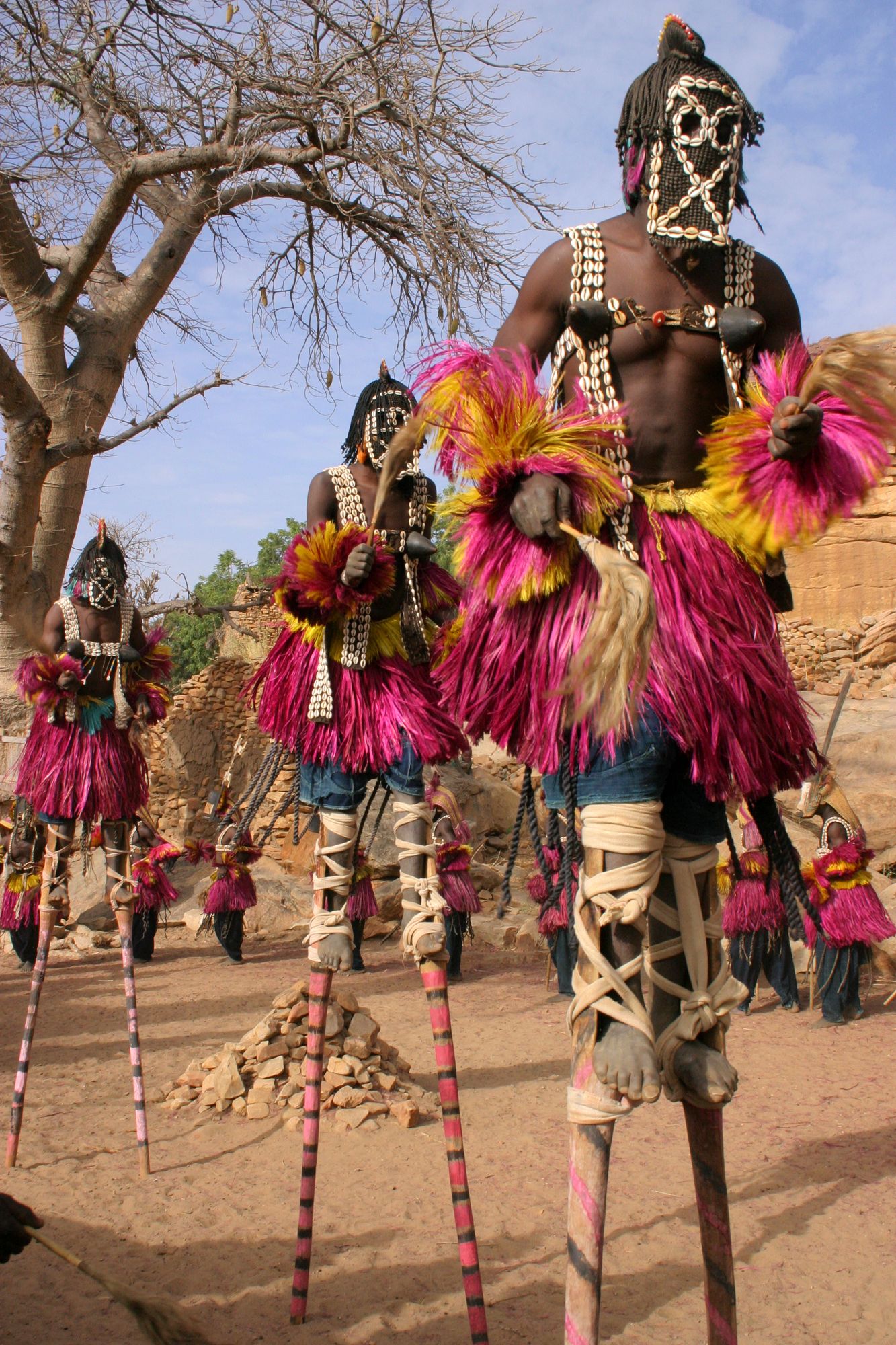
Drumming also plays a significant role in dance. In many African cultures, the drumbeat dictates the dance movements, creating a dynamic interaction between musicians and dancers. This synergy is a testament to the communal nature of African music and dance.
Preserving the Tradition
As modern influences permeate African societies, there is a growing need to preserve traditional drumming techniques. Many communities are actively working to teach younger generations these skills through workshops and cultural programs.
Organizations and festivals dedicated to African music are also playing a crucial role in keeping these traditions alive. They provide platforms for both local and international audiences to experience the rich rhythms of Africa.
By exploring and appreciating traditional African drumming, we gain insight into the continent's diverse cultures and the powerful role music plays in community life. Whether you're a musician or simply a music lover, the rhythms of Africa offer a unique and enriching experience.