The Magic of Masks: Exploring African Mask Traditions
Introduction to African Masks
African masks hold a significant place in the cultural heritage of the continent. These masks are more than just decorative pieces; they are imbued with history, spirituality, and artistic expression. African masks are often used in rituals and ceremonies, serving as a bridge between the human and spiritual worlds.
The craftsmanship involved in creating these masks is unparalleled. Artisans use a variety of materials such as wood, metal, and fabric, each chosen for its symbolic meaning and aesthetic appeal. The design of each mask is unique, reflecting the distinct traditions of the tribe it represents.

The Role of Masks in African Culture
Masks play a crucial role in many African societies. They are often used in ceremonies that mark important community events such as weddings, funerals, and initiations. In these contexts, masks are believed to embody spiritual beings or ancestors, allowing the wearer to communicate with the divine.
Beyond their spiritual significance, masks also serve as educational tools. They convey stories and moral lessons, teaching younger generations about their culture and history. This educational aspect ensures that traditions are preserved and passed down through the ages.

Diversity of African Masks
African masks are as diverse as the continent itself. Different regions and tribes have their own distinct styles and meanings. For instance, the Dan masks from West Africa are known for their smooth, oval shapes and are often used in rites of passage. Meanwhile, the intricate designs of the Dogon masks are central to their elaborate funeral ceremonies.
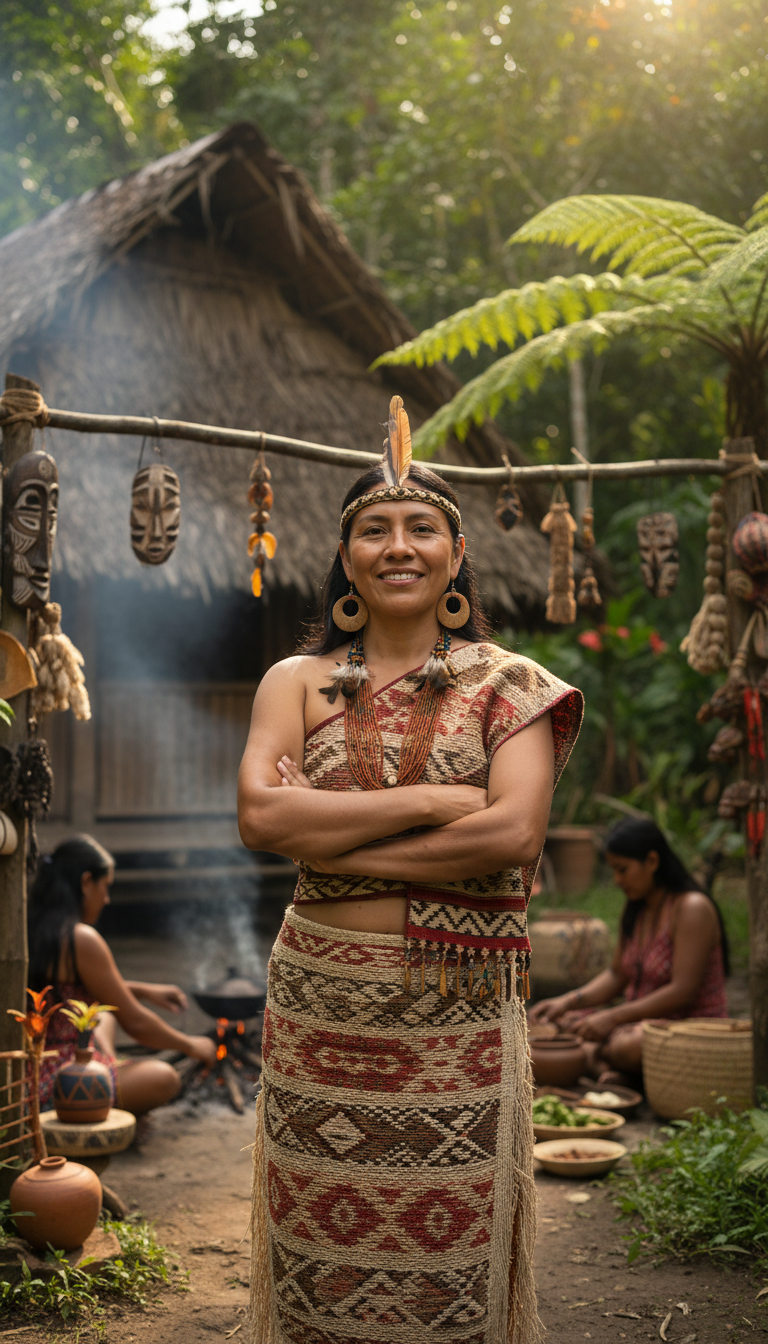
Some masks are designed to be worn on the face, while others are large enough to cover the entire body. This diversity in form and function highlights the richness of African cultural traditions.
Symbolism and Meaning
The symbolism embedded in African masks is profound. Each element of a mask, from its shape to its colors, carries specific meanings. For example, the color white often represents purity and peace, while red might symbolize vitality and life force.
Animals are also a common motif in African masks. They are chosen for their characteristics, which are believed to be transferred to the wearer. A lion mask might symbolize strength and bravery, while an antelope mask could represent grace and agility.
Modern Influence and Appreciation
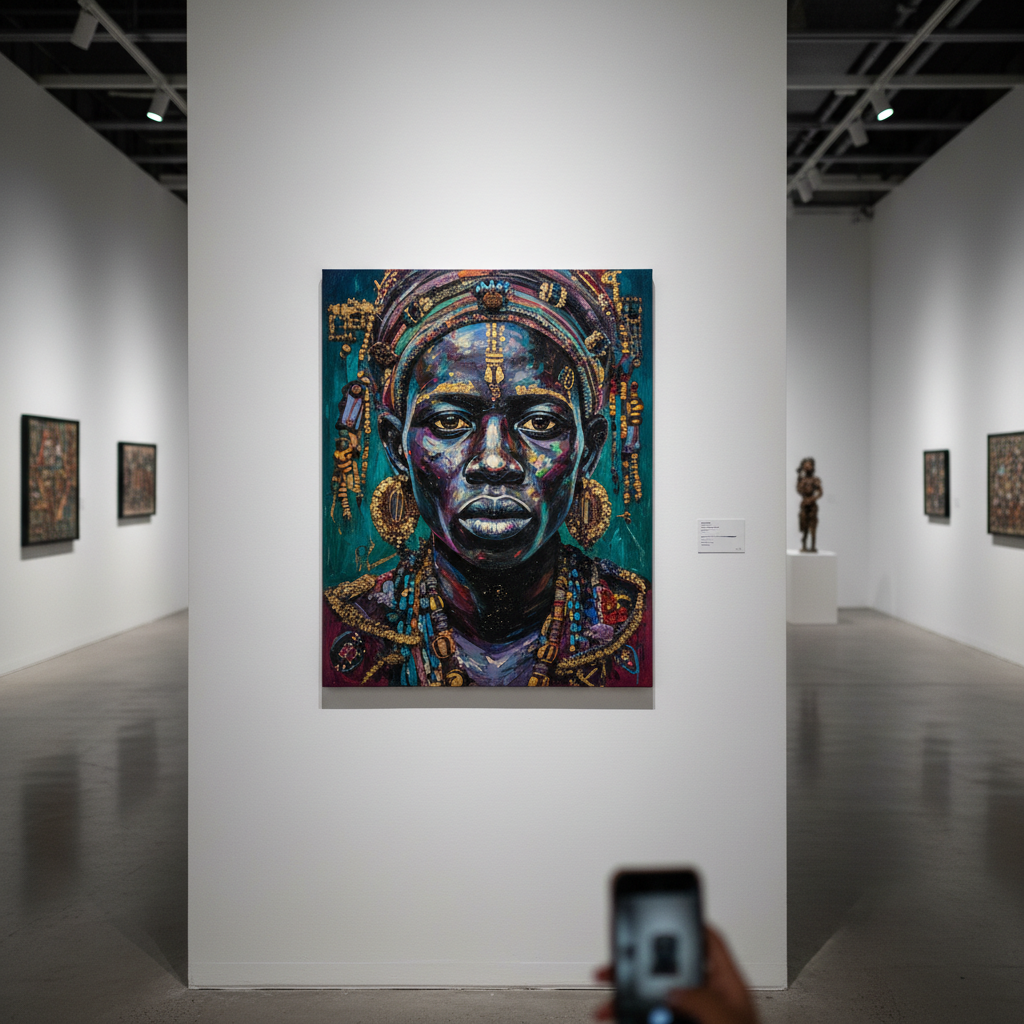
Today, African masks continue to inspire artists and collectors worldwide. They are appreciated not only for their beauty but also for the stories and traditions they represent. Museums and galleries around the globe showcase these masks, highlighting their artistic and cultural significance.
In contemporary art and fashion, African masks influence design and aesthetics, appearing in everything from jewelry to clothing. This modern appreciation ensures that the magic of African masks continues to captivate new audiences.
Conclusion
Exploring African mask traditions offers a fascinating glimpse into the continent's rich cultural tapestry. These masks are more than mere artifacts; they are living symbols of identity, spirituality, and history. By understanding the magic of African masks, we gain a deeper appreciation for the diversity and creativity of African cultures.