The Cultural Significance of Masks in African Dance
Across the vast continent of Africa, masks hold a profound cultural significance, particularly in the realm of dance. These masks are not merely decorative items; they are imbued with deep spiritual and symbolic meanings that transcend generations. Each mask tells a story, representing the diverse traditions and beliefs of various African communities.
The Role of Masks in African Dance
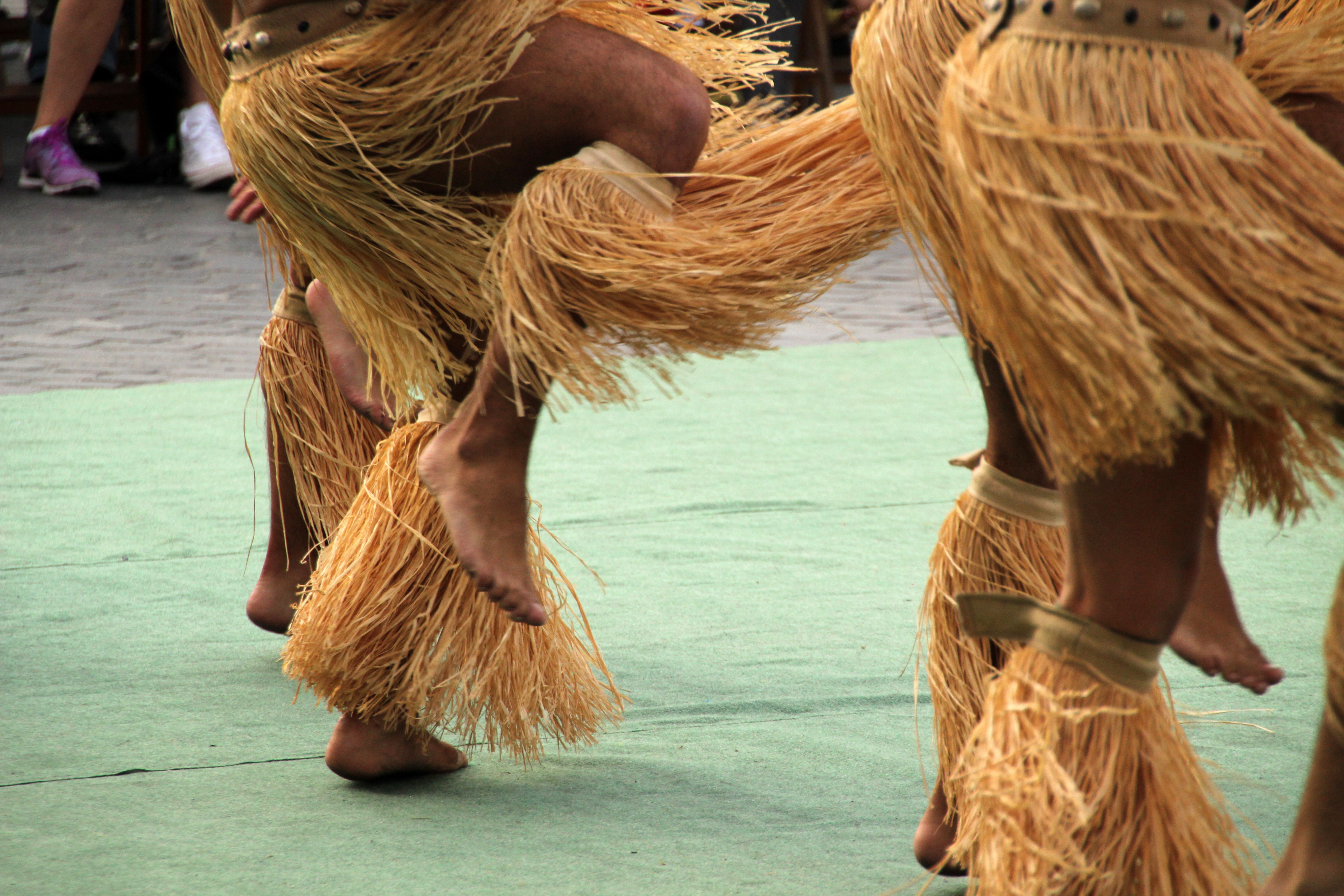
Masks in African dance are more than just a part of the costume. They serve as a bridge between the physical and spiritual worlds. During performances, dancers wearing masks embody the spirits of ancestors, animals, or deities. This transformation allows them to communicate with these entities, bringing them closer to the community.
The use of masks in dance provides a way for communities to connect with their heritage and preserve their cultural identity. Each mask is unique, reflecting the specific customs and history of the tribe or region it represents. This diversity highlights the rich tapestry of African culture.
Materials and Craftsmanship
The creation of African masks is an art form in itself. Skilled artisans use materials such as wood, fabric, and beads to craft these intricate pieces. The choice of materials often holds symbolic meanings, with different elements representing aspects of nature or spiritual beliefs. The craftsmanship involved in making these masks underscores their importance within the community.
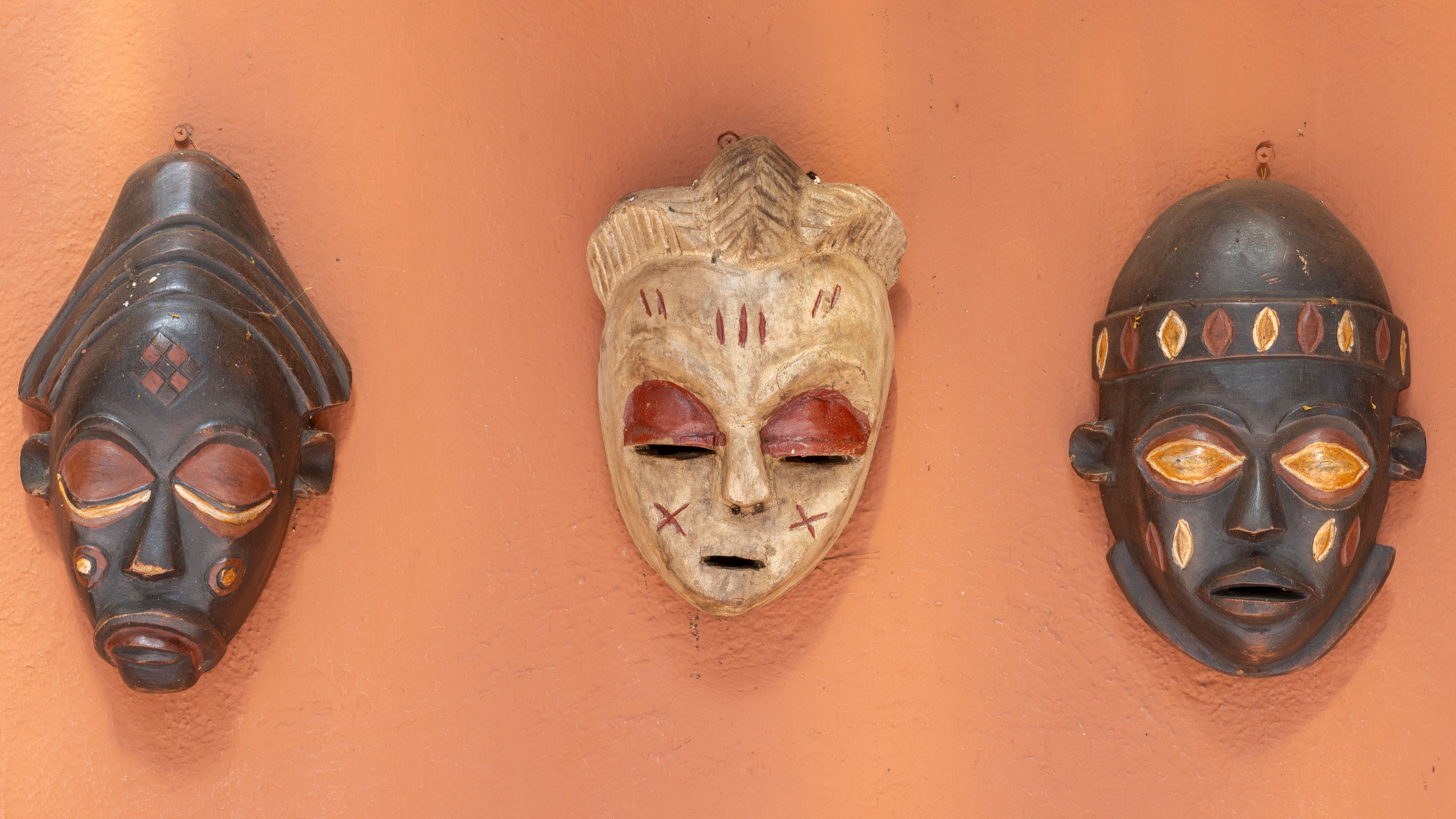
Artisans spend countless hours carving and decorating masks, ensuring each piece is a masterpiece. The process of mask-making is often accompanied by rituals, further emphasizing their spiritual significance. This meticulous attention to detail ensures that the masks are not only visually striking but also deeply meaningful.
Ceremonial and Social Functions
Masks play a crucial role in various ceremonies and social gatherings. They are used in rituals associated with rites of passage, weddings, and funerals. During these events, the masks help participants to honor their ancestors and seek guidance for the future.
In addition to spiritual functions, masks also serve a social purpose. They are used in storytelling and entertainment, captivating audiences with their vibrant colors and dynamic movements. The use of masks in performance art highlights the interconnectedness of African culture, where storytelling, music, and dance are seamlessly intertwined.
The Evolution of Masked Dance
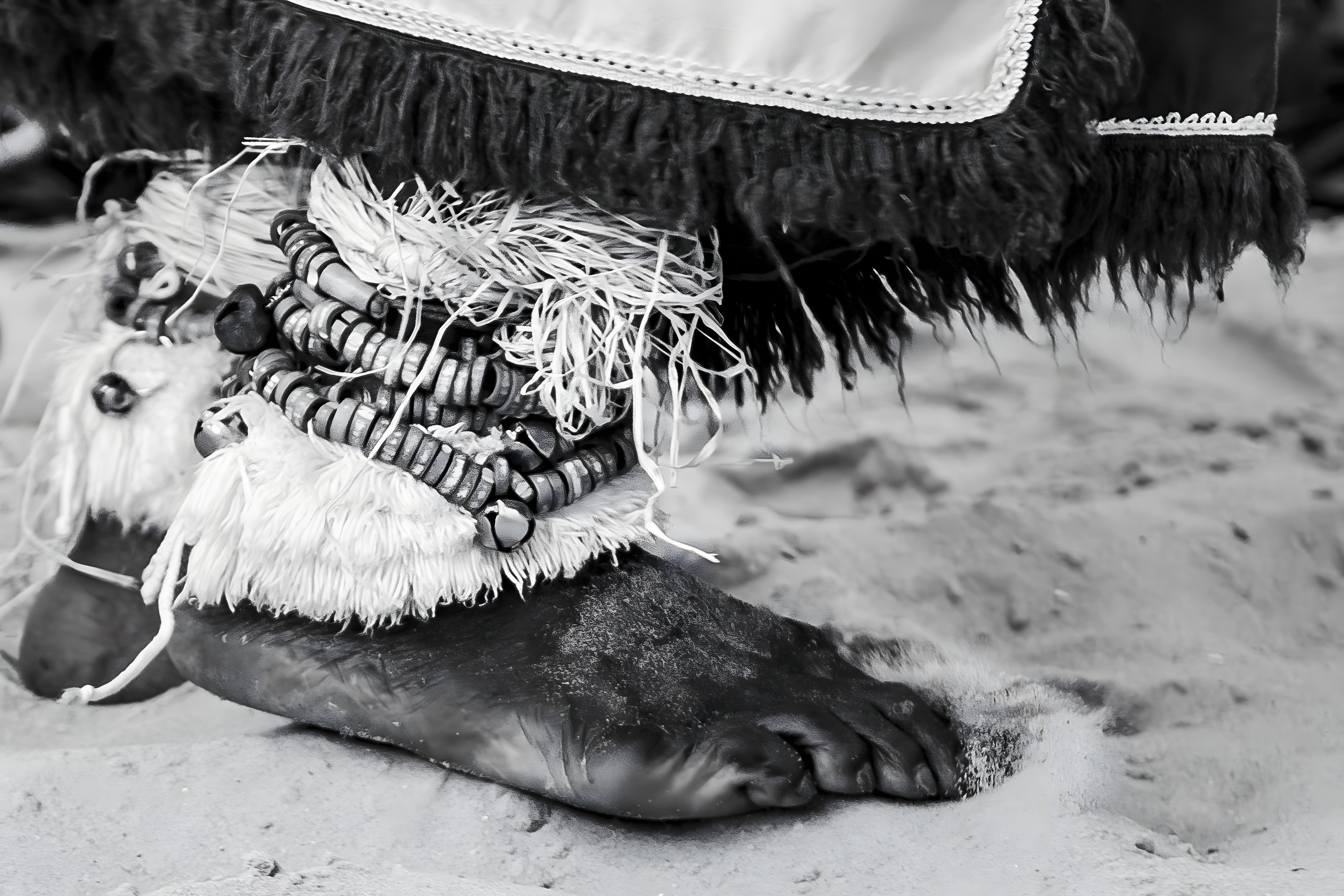
Over time, the use of masks in African dance has evolved, adapting to contemporary influences while maintaining traditional roots. Modern performances often blend traditional elements with new styles, creating a dynamic and ever-changing art form. This evolution reflects the resilience and adaptability of African cultures.
Today, African masks continue to captivate audiences worldwide, offering a glimpse into the rich heritage and enduring traditions of the continent. As cultural ambassadors, these masks bridge the past and the present, ensuring that the legacy of African dance remains vibrant for future generations.