The Art of African Masks: History and Cultural Significance
Introduction to African Masks
African masks are not mere objects of art; they are profound cultural symbols that carry deep meanings and historical significance. These masks, often crafted from wood, metal, or fabric, are integral to various African ceremonies and rituals. They serve as a bridge between the physical and spiritual worlds, offering insights into the beliefs and traditions of diverse African communities.
Historical Background
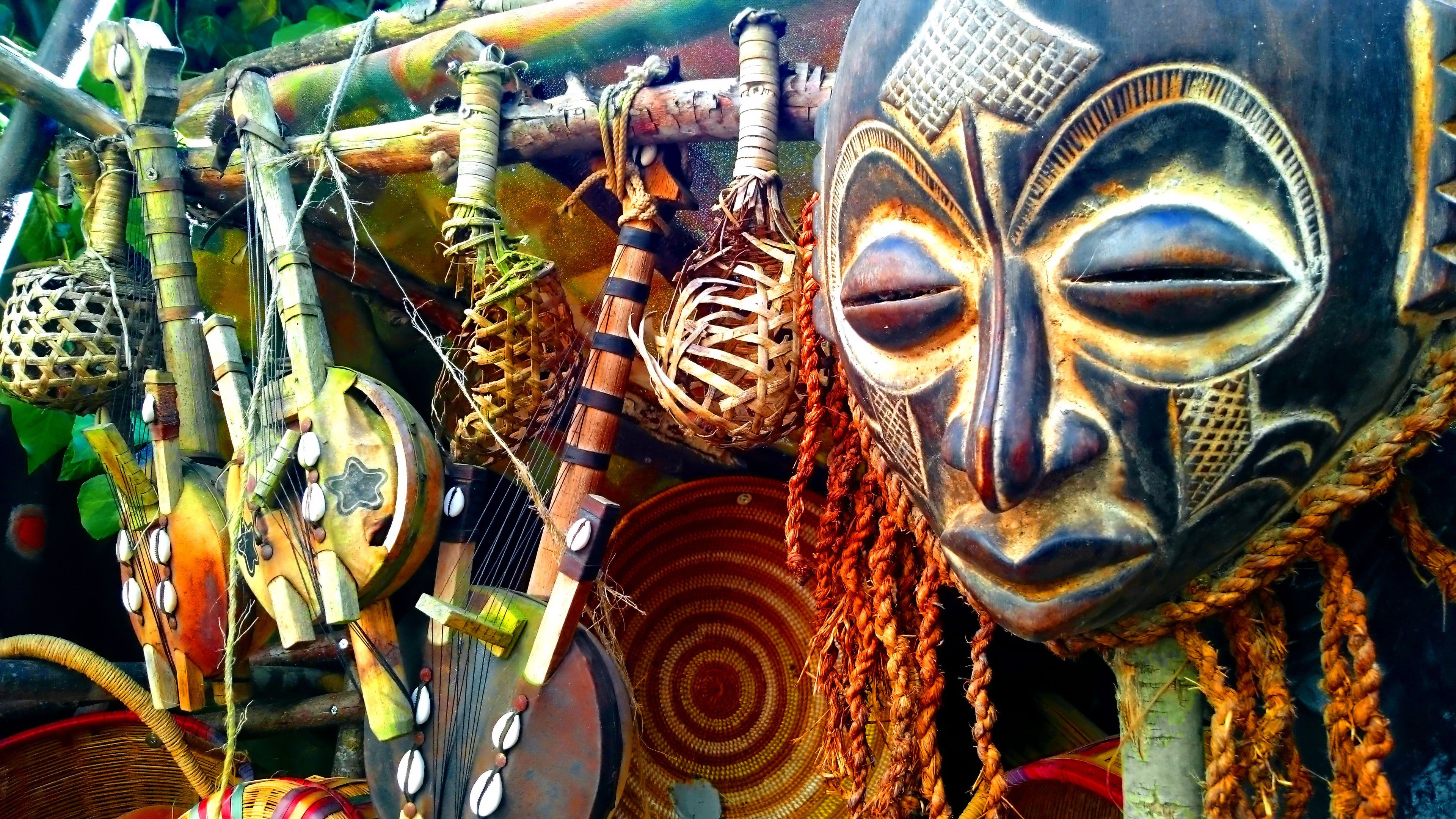
The history of African masks dates back thousands of years, with archaeological evidence suggesting their use in rituals and ceremonies since ancient times. These masks are not uniform; they vary significantly among regions and tribes, reflecting the diverse cultures across the continent. Each mask tells a unique story, capturing the essence of its origin.
Throughout history, masks have been used in rituals to connect with ancestors, celebrate harvests, or mark rites of passage. The materials and designs often indicate the mask's purpose and the status of the wearer within the community.
Cultural Significance
African masks hold a sacred place in many tribes. They are believed to possess spiritual powers and are often used in dances and ceremonies to invoke these energies. The wearer of the mask is thought to become the spirit represented, channeling its power and wisdom.

These masks are not just about aesthetics; their intricate designs often symbolize social status, moral values, and historical narratives. The colors and patterns can denote everything from fertility to warfare, serving as a visual language that conveys complex cultural identities.
Types of African Masks
There are numerous types of African masks, each with distinct features and purposes. Some of the most popular include:
- Face masks: Covering the front of the face, they are commonly used in dance rituals.
- Helmet masks: These envelop the entire head and are often used in initiation ceremonies.
- Crest masks: Worn on top of the head, they are typically used in harvest festivals.
Influence on Modern Art
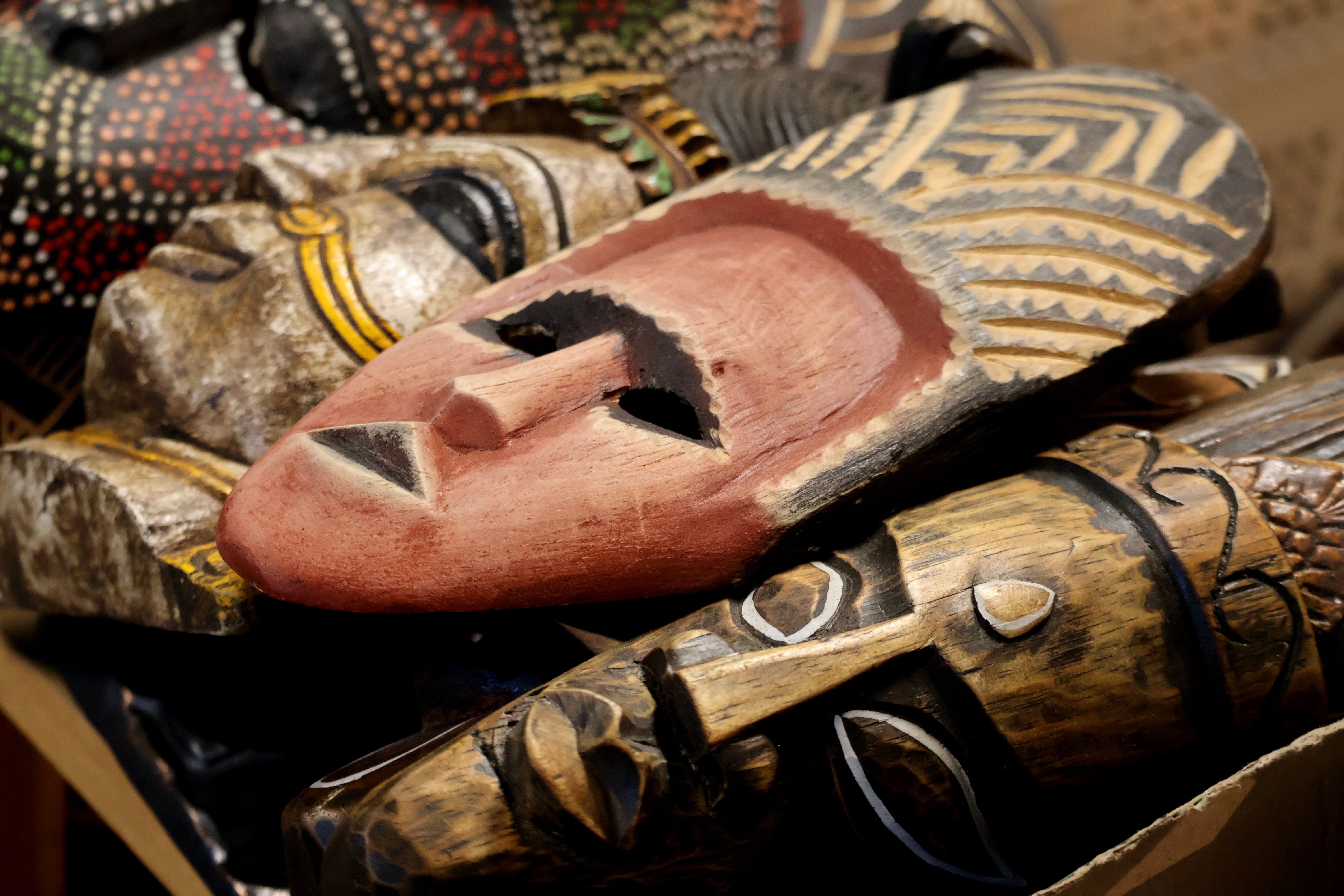
African masks have significantly influenced modern art, inspiring artists like Picasso and Matisse. The bold shapes, abstract forms, and emotive expressions found in African masks have contributed to the evolution of various art movements, including Cubism and Expressionism.
Today, African masks continue to captivate art enthusiasts and collectors worldwide, celebrated for their aesthetic beauty and cultural depth. They remain a testament to the rich artistic heritage of Africa, offering a window into the continent's vibrant cultures and histories.