The Art of African Mask Dancing: Cultural Insights and Techniques
The art of African mask dancing is a mesmerizing blend of tradition, craftsmanship, and performance. These dances are not just about entertainment; they are deeply rooted in the cultural and spiritual fabric of various African communities. The masks themselves are crafted with great care, often representing ancestors, spirits, or mythical beings, and are an integral part of the storytelling process.
The Significance of Masks in African Culture
Masks are more than decorative objects; they are powerful symbols. In many African societies, masks are believed to hold spiritual powers, acting as a conduit between the physical and spiritual realms. They are used in rituals and ceremonies to invoke the presence of these spirits, guiding the community through transitions such as birth, initiation, marriage, and death.
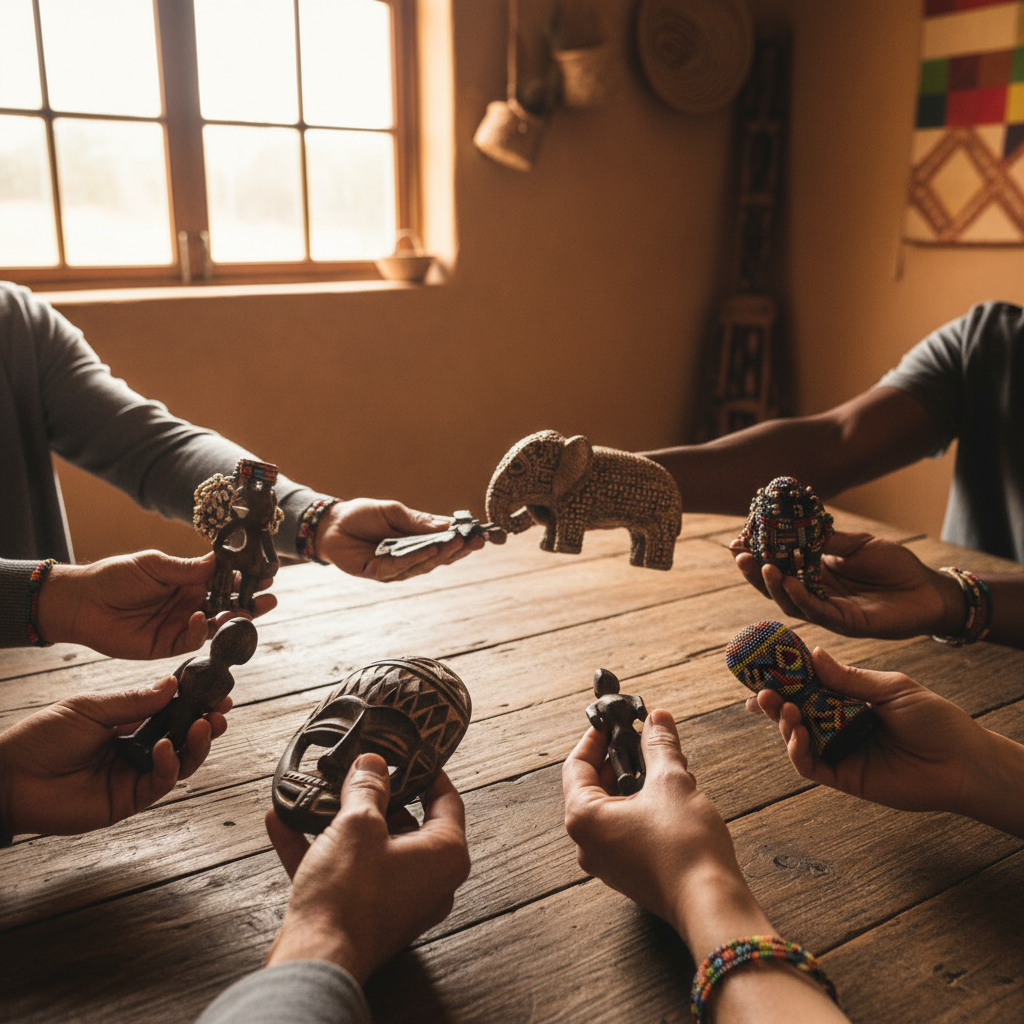
Each mask is unique, often crafted from wood, metal, or fabric, and adorned with vibrant colors and intricate patterns. The specific design elements of a mask can signify the wearer's role in the community or the type of spirit being represented. This makes the creation of masks a revered art form, passed down through generations.
Techniques in Mask Dancing
Learning to dance with a mask involves mastering specific techniques. The dancer must become one with the mask, allowing the spirit it represents to guide their movements. This process requires intense focus and practice, as the weight and visibility of the mask can greatly affect performance.
Movements are often synchronized to the rhythm of drums and other traditional instruments. Dancers may perform solo or as part of a group, each step and gesture contributing to the narrative being told. The dance is not just about physical agility but also about conveying emotion and story through movement.
The Role of Music in Mask Dancing
Music plays a crucial role in mask dancing, providing the rhythm and atmosphere necessary to transport both the dancer and audience. Traditional instruments like the djembe, balafon, and kora are commonly used, each contributing distinct sounds to the performance. The music dictates the pace and mood, guiding the dancer's expressions and interactions with the audience.
Drummers often engage in a dynamic exchange with dancers, responding to their movements and adding layers of complexity to the performance. This interplay between music and dance is essential, creating a captivating and immersive experience.
Cultural Insights and Preservation
The art of African mask dancing offers valuable insights into the diverse cultures and traditions across the continent. It reflects the values, beliefs, and history of the people, serving as a living testament to their heritage. However, modern challenges such as globalization and cultural appropriation threaten the preservation of these traditions.
Efforts are being made to preserve and promote African mask dancing through cultural festivals, educational programs, and international collaborations. By celebrating and sharing these traditions, communities aim to keep their cultural heritage alive for future generations.
In conclusion, the art of African mask dancing is a profound expression of cultural identity and spiritual connection. Through the intricate craft of mask-making, the skillful techniques of dancers, and the vibrant sounds of traditional music, these performances continue to captivate and inspire audiences worldwide.