Seasonal Celebrations: African Drumming and Dance for Festivals
The Vibrant Tradition of African Drumming and Dance
Across Africa, drumming and dance have long been integral to celebrations and festivals. These art forms are deeply rooted in the continent's rich cultural tapestry, serving as expressions of joy, community, and identity. From weddings to harvest festivals, African drumming and dance bring people together, transcending language barriers and creating a shared experience of rhythm and movement.
The Role of Drumming in Cultural Celebrations
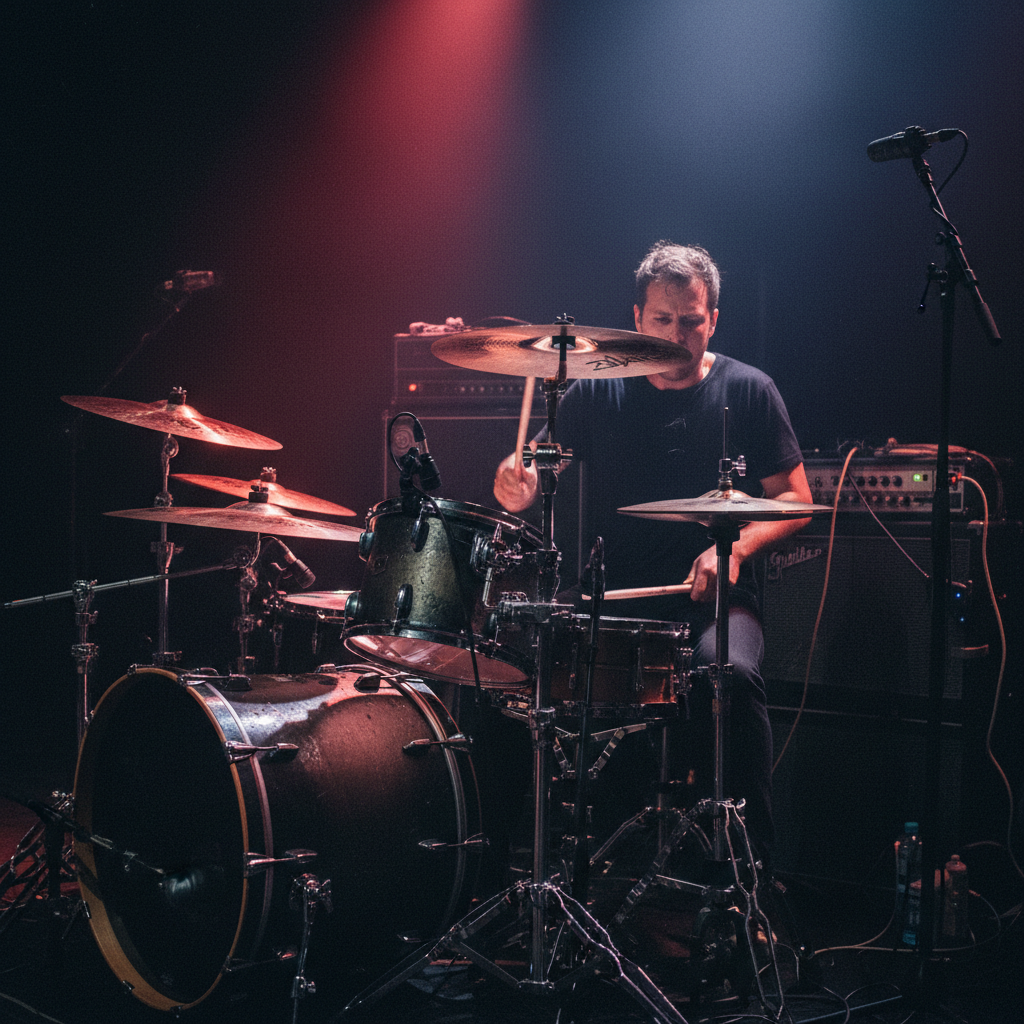
Drumming is more than just music; it is a form of communication. In many African cultures, drums are used to send messages over long distances, announce events, and even communicate with ancestors. The drumming rhythms are unique to each community, telling stories and preserving history. The drum's beat sets the pace for the accompanying dance, creating a harmonious blend of sound and movement.
During festivals, drummers often perform in groups, each contributing to the layers of rhythm that characterize African music. This collective effort not only enhances the musical experience but also fosters a sense of unity and collaboration among participants.
The Expressive Power of Dance
African dance is as diverse as the continent itself, with each region boasting its distinct styles and movements. These dances are often energetic and involve the entire body, reflecting the dancer's connection to the earth and their community. Dance is a form of storytelling, with each movement symbolizing aspects of life, nature, and spirituality.
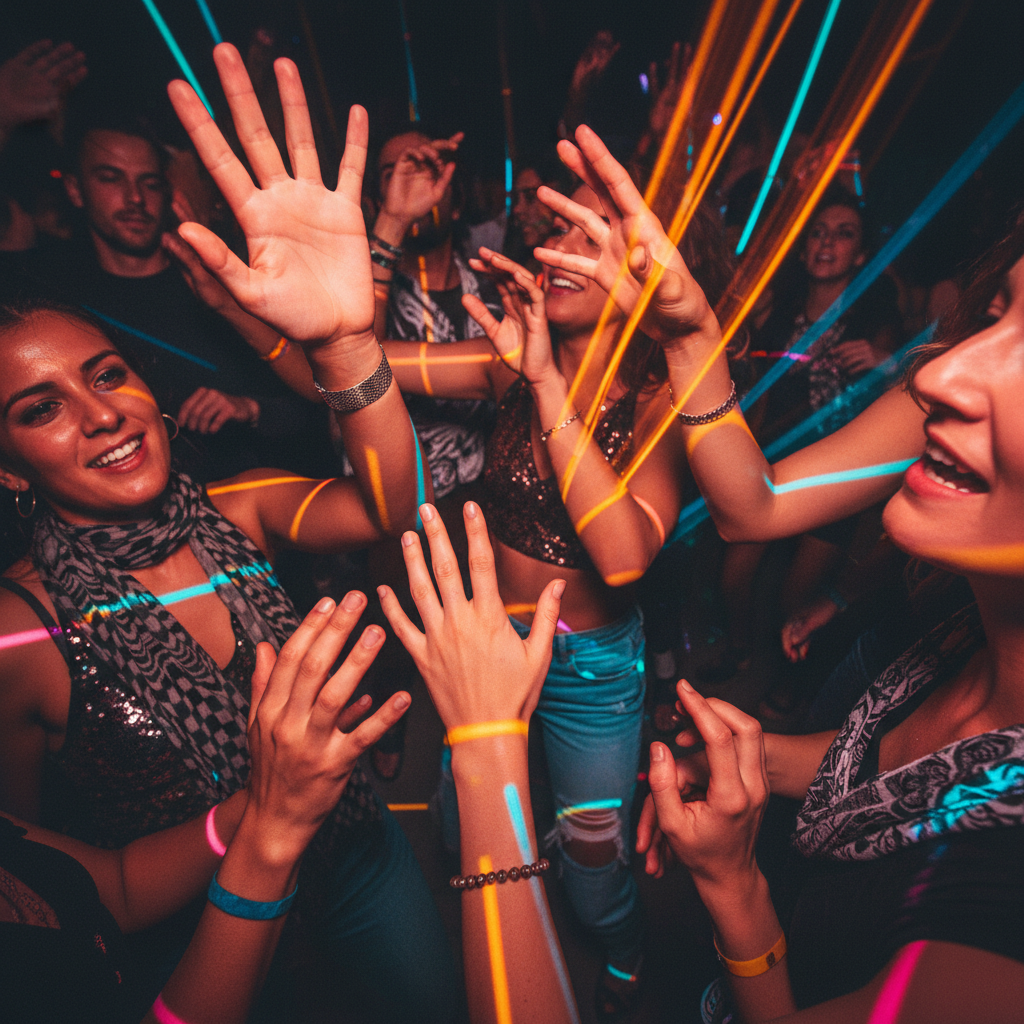
In festivals, dance serves as a medium for both celebration and instruction. It is a way to pass down traditions, honor ancestors, and teach younger generations about cultural values. The vibrancy and dynamism of African dance captivate audiences, drawing them into the heart of the celebration.
Instruments and Rhythms
African drumming ensembles typically include a variety of instruments, each adding its unique voice to the performance. Common drums include the djembe, talking drum, and bougarabou. These instruments create complex polyrhythms that are characteristic of African music. The interplay between different drums and percussion instruments creates a rich soundscape that is both invigorating and grounding.
Besides drums, other instruments like the kora, balafon, and thumb piano often accompany drumming performances, enriching the musical experience. These instruments blend seamlessly with the rhythms, adding melodic and harmonic layers.

The Impact on Global Culture
African drumming and dance have transcended borders, influencing global music and dance scenes. Elements of African rhythms and movements can be seen in various modern music genres, including jazz, hip-hop, and electronic music. This cross-cultural exchange has led to a greater appreciation of African art forms worldwide.
Festivals featuring African drumming and dance have become popular attractions, drawing audiences eager to experience the energy and cultural depth these performances offer. These events provide opportunities for cultural exchange, allowing people from different backgrounds to connect through a shared appreciation of rhythm and movement.
Conclusion: Celebrating Diversity through Rhythm
As we celebrate the diversity of African drumming and dance, we recognize the power of these art forms to unite communities and inspire joy. Whether participating in a local festival or watching a performance from afar, the rhythms and movements of African drumming and dance invite us to embrace the beauty of cultural expression and the universality of human celebration.