Myths About African Dance Debunked: What You Need to Know
Understanding African Dance
African dance is a rich and diverse art form that has captivated audiences worldwide. However, many myths and misconceptions surround it, often overshadowing its true essence. In this post, we'll debunk some of the most common myths about African dance, shedding light on what makes it so unique and valuable.
Myth 1: All African Dance Is the Same
One of the most pervasive myths is that all African dance styles are identical. The reality is that Africa is a continent with over 50 countries, each with its own distinct cultures and traditions. This diversity is reflected in the multitude of dance styles, each with unique rhythms, movements, and purposes.
From the energetic Gumboot dance of South Africa to the intricate footwork of the Malian Djembe, African dances vary widely. Each style tells a different story and serves different social, religious, or ceremonial functions.
Myth 2: African Dance Is Primitive
Another common misconception is that African dance is primitive or unsophisticated. This myth stems from a misunderstanding of the cultural context and the complexity involved in these dances. African dances often require significant skill, precision, and coordination.
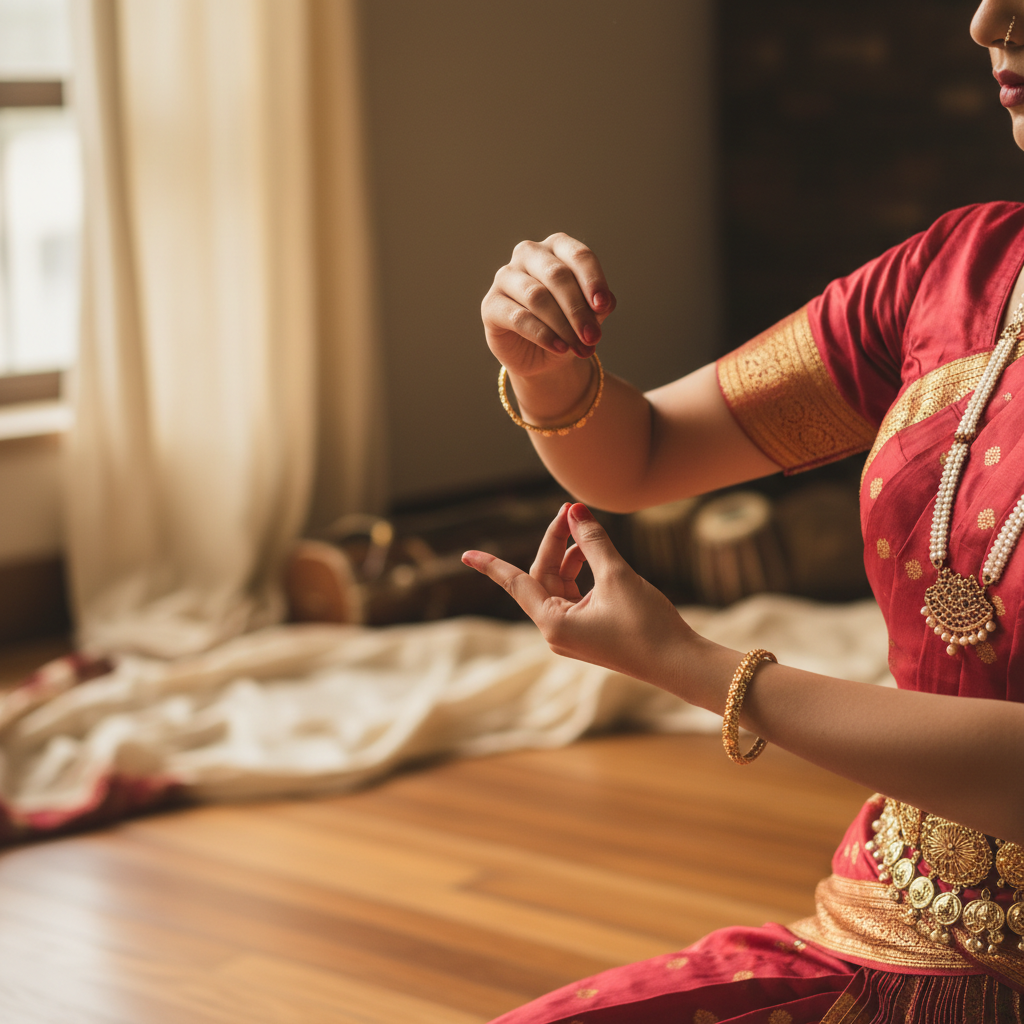
Furthermore, many African dances are deeply symbolic, representing historical events, social messages, or spiritual beliefs. They are a sophisticated form of expression that transcends simple entertainment.
Myth 3: African Dance Is Solely for Entertainment
While African dance is undoubtedly entertaining, it is much more than that. Many dances are integral to community rituals, storytelling, and education. They serve as a way to pass down traditions, celebrate milestones, and unite people.
- Ritualistic dances performed during significant life events.
- Storytelling dances that convey historical events or morals.
- Community dances that foster unity and social cohesion.
Myth 4: Only Africans Can Perform African Dance
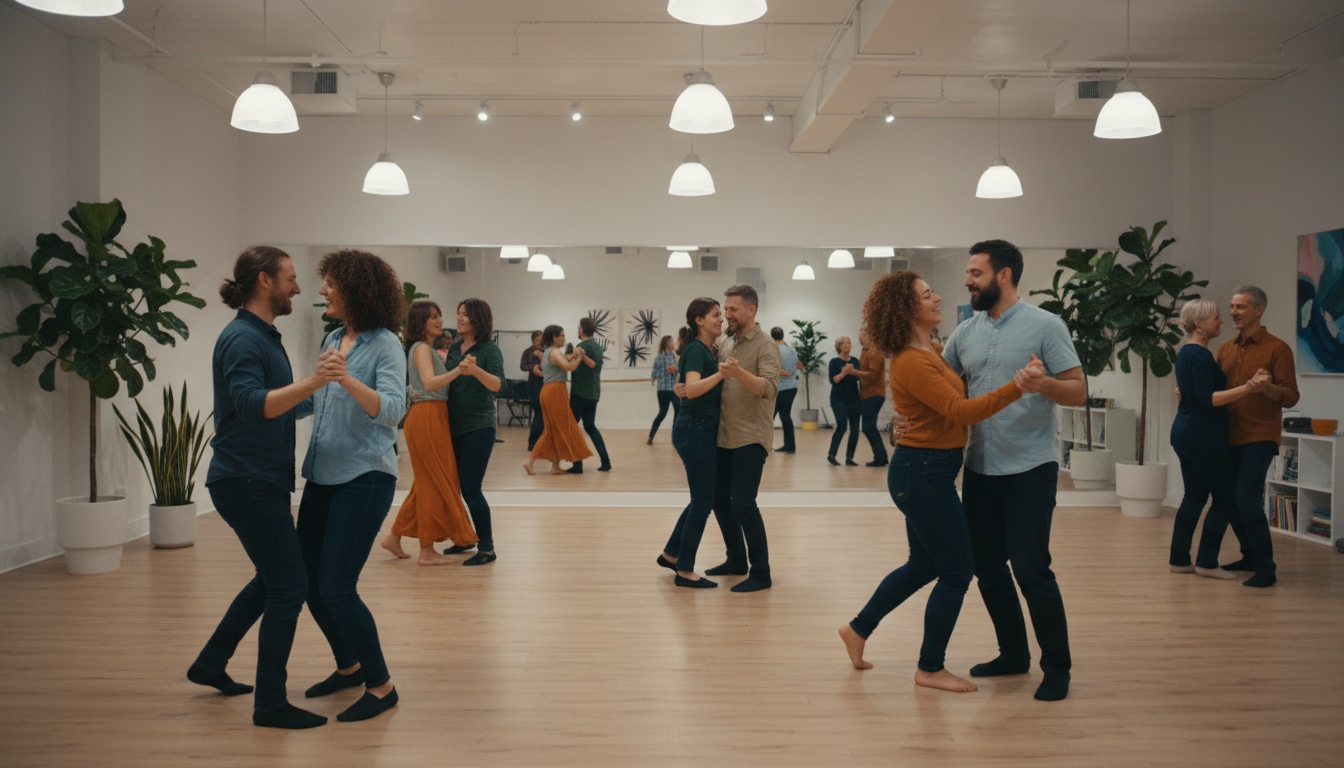
There is a belief that only people of African descent can perform African dance authentically. While cultural sensitivity and respect are essential, anyone can learn and appreciate African dance. Many dance schools and workshops worldwide offer classes in various African dance styles, welcoming people from all backgrounds.

By participating in African dance, individuals can gain a deeper appreciation for the culture and contribute to the preservation and celebration of this vibrant art form.
The Cultural Significance of African Dance
African dance is a powerful tool for cultural expression and identity. It plays a significant role in preserving the heritage and fostering a sense of belonging among communities. Recognizing and respecting its value is crucial to understanding its true significance.
By debunking these myths, we hope to encourage a broader appreciation and understanding of African dance. It is a dynamic and evolving art form that continues to inspire and connect people across the globe.