Exploring African Dance Styles: A Journey Through Movement
The Richness of African Dance
African dance styles are a vibrant tapestry of culture, history, and expression. From the rhythmic beats of the djembe to the graceful movements that tell stories, African dances offer a glimpse into the continent's rich heritage. Each region has its unique styles, yet all share a common purpose: to connect people through movement.
Dance in Africa is more than just entertainment; it's a vital part of social, religious, and cultural events. Whether it's a community gathering or a ceremonial ritual, dance plays a central role in uniting people and expressing shared values and beliefs.
West African Dance Styles
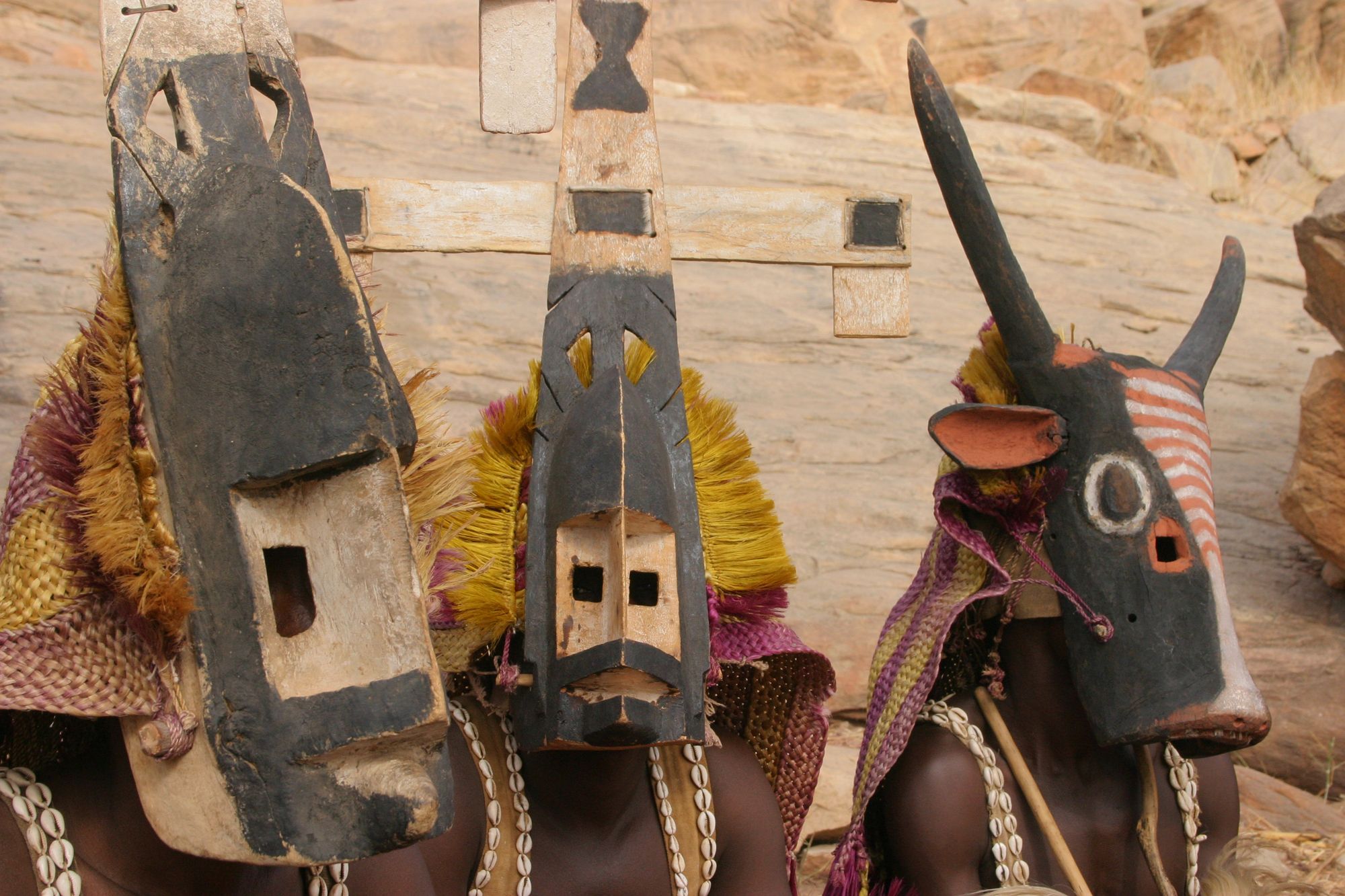
West Africa is home to some of the most well-known dance styles. The energetic and dynamic movements of West African dances often reflect the vibrant cultures of countries such as Senegal, Ghana, and Nigeria. These dances are characterized by their use of the entire body, including intricate footwork, hand gestures, and facial expressions.
One of the most popular West African dances is the Kpanlogo from Ghana. Originating from the Ga ethnic group, Kpanlogo combines traditional African rhythms with modern influences, making it a favorite among both locals and tourists.
The Influence of Drumming
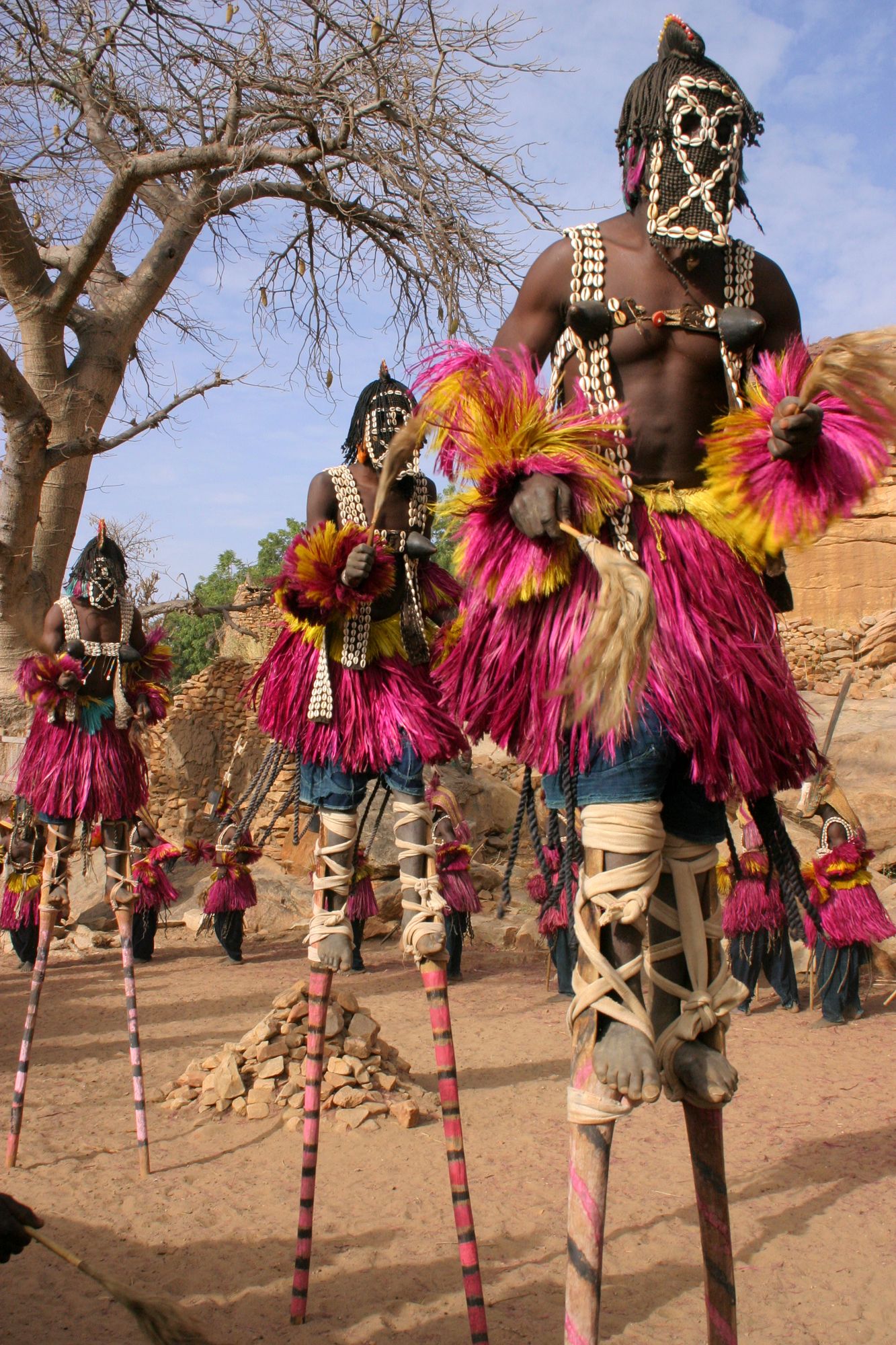
Drumming is an integral part of West African dance. The djembe drum, in particular, is often used to set the rhythm and pace of the dance. The relationship between the drummer and dancers is symbiotic, as the beats guide the movements, and the dancers' energy inspires the drumming.
East African Dance Styles
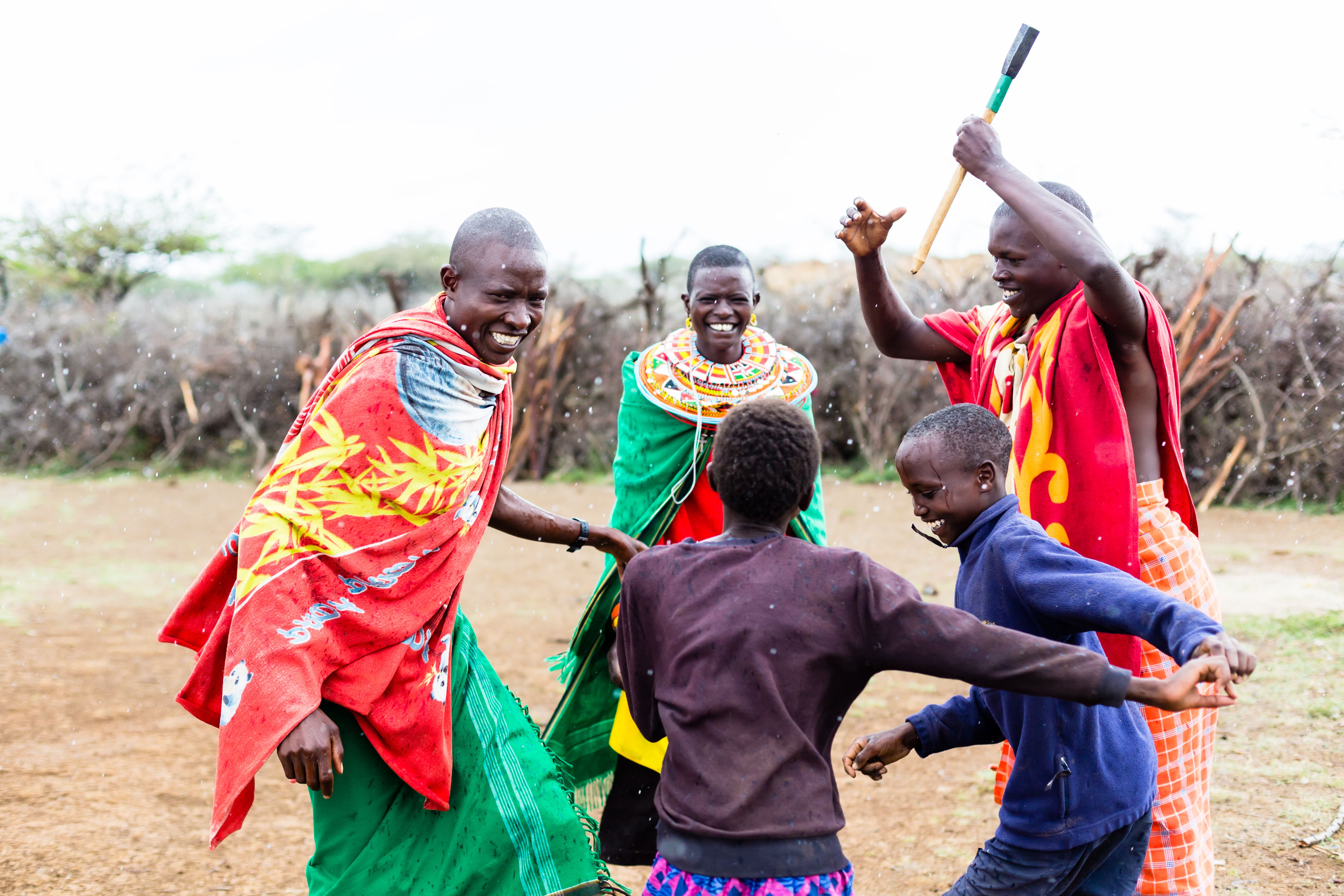
East African dances are as diverse as the region itself, with each community having its distinct style. From the Maasai jumping dances in Kenya to the Swahili-inspired moves along the coast, East African dances are a celebration of life and community.
The Maasai dance is particularly famous for its unique jumping style, known as adumu. This dance is a test of endurance and strength and is often performed during ceremonies and celebrations.
The Role of Storytelling
Storytelling is a crucial element in many East African dances. Through movement, dancers convey tales of historical events, everyday life, and moral lessons. This storytelling aspect makes the dances not only entertaining but also educational, preserving the oral traditions of the region.
Southern African Dance Styles
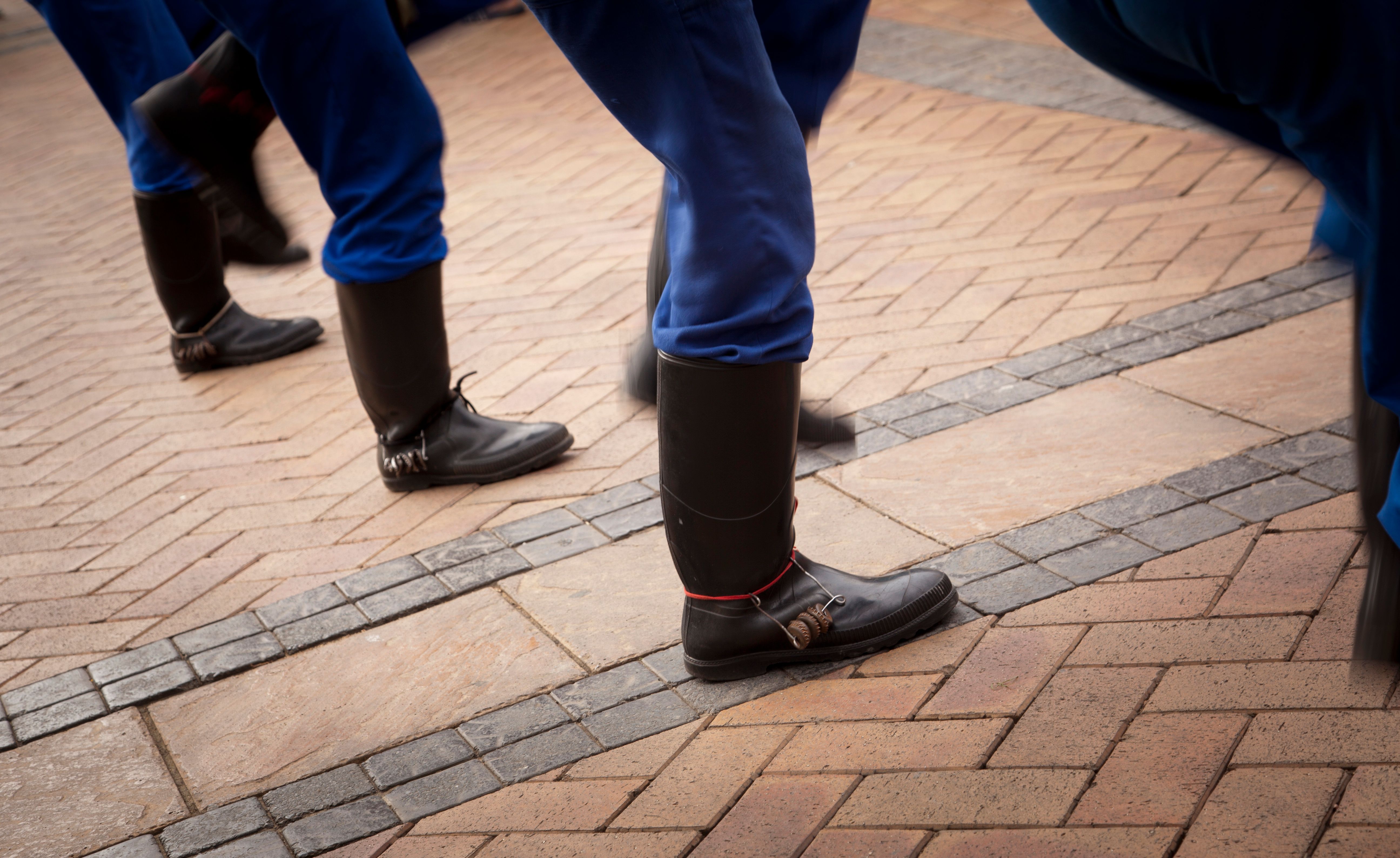
Southern Africa boasts a wide range of dance styles, each reflecting the diverse cultures of the region. The Gumboot dance from South Africa is one of the most iconic, originally developed by miners as a form of communication and entertainment due to restrictions in the mines.
Gumboot dancing is characterized by rhythmic stomping and slapping of boots, creating a captivating auditory experience. This dance has evolved into a popular form of expression and is often performed at cultural festivals and events.
Cultural Significance
Dance in Southern Africa often serves as a means of preserving cultural identity and heritage. Through performances, communities pass down traditions and customs to younger generations, ensuring that their rich history is not forgotten.
A Journey Through Movement
Exploring African dance styles is a journey through movement, culture, and history. Each dance tells a story, celebrates a community, and connects people across borders. Whether you're watching a live performance or participating in a dance class, the energy and passion of African dances are truly infectious.
By embracing these diverse and dynamic styles, we not only appreciate the beauty of African culture but also foster a deeper understanding of the values and traditions that unite us all.