
DIY African Drum Maintenance: Tips for Keeping Your Instrument in Top Shape
Understanding Your African Drum
Maintaining an African drum, whether it's a djembe, talking drum, or ashiko, is essential to ensure its longevity and sound quality. These instruments are often handmade and crafted with natural materials, which require special care. Proper maintenance can help preserve the drum's tone and appearance, making your musical experience more fulfilling.
Regular Cleaning
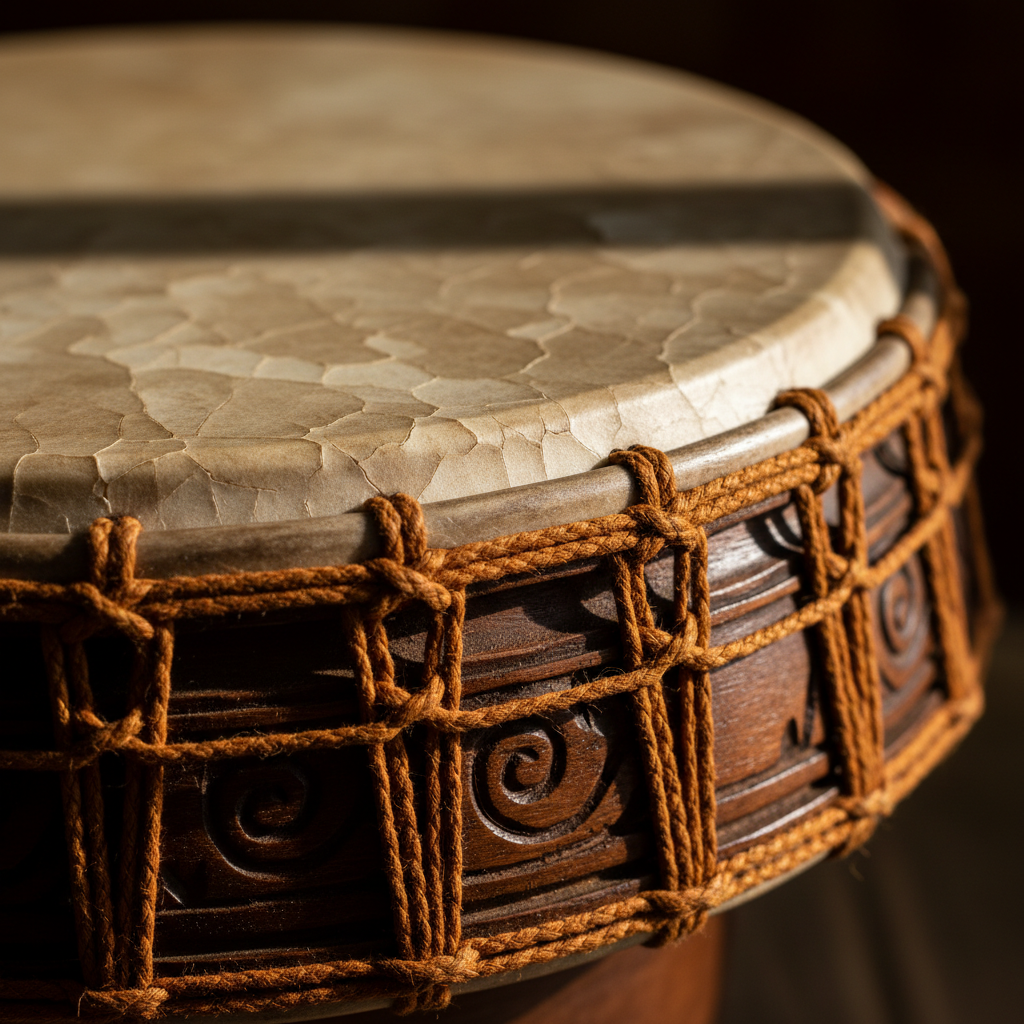
Regular cleaning is crucial for keeping your drum in top shape. Use a soft, dry cloth to wipe down the drum skin and body after each use. This removes dirt and oils that can accumulate and potentially damage the drum over time. For deeper cleaning, a slightly damp cloth can be used, but make sure not to soak the drum as moisture can harm the skin and wood.
Skin Tension
The tension of the drum skin significantly affects its sound. Over time, the skin may loosen, which can result in a dull sound. To tighten the skin, adjust the ropes or pegs according to the type of drum you have. Be cautious not to over-tighten, as this can cause the skin to tear.

Protecting From Elements
African drums are sensitive to environmental changes. Keep your drum away from direct sunlight and extreme temperatures. These conditions can cause the wood to crack and the skin to dry out. If you live in a humid area, consider using a dehumidifier to protect the drum from excessive moisture.
Handling and Storage
Proper handling and storage are key to your drum's longevity. Always lift the drum by its body rather than the skin to avoid unnecessary stress. When storing, place the drum in a padded bag or cover to protect it from dust and accidental damage.

Repairing Minor Damages
Minor damages such as small cracks or loose ropes are common and can often be repaired at home. For cracks, use wood filler that matches the drum's color. Loose ropes can be retied or replaced. However, for significant damages, it's recommended to consult a professional.
Preserving Aesthetics
Beyond sound quality, maintaining the aesthetic appeal of your drum is important. Apply a natural oil, like coconut or olive oil, to the wood to keep it hydrated and enhance its appearance. Avoid using harsh chemicals or polishes that can damage the drum.
Regular Play
One often overlooked aspect of maintenance is regular play. Playing your drum frequently helps to keep the skin stretched and the sound vibrant. It also allows you to detect any changes in sound or feel, which might indicate a need for maintenance.
Conclusion
By following these DIY maintenance tips, you can ensure that your African drum remains in excellent condition for years to come. Regular care not only preserves the instrument's functionality but also honors the cultural heritage and craftsmanship behind it. Happy drumming!