Behind the Masks: Understanding African Cultural Symbols
The Significance of African Masks
In African cultures, masks hold a profound significance that transcends mere decoration. They are vibrant symbols of identity, spirituality, and community, deeply rooted in tradition. Masks are used in a variety of ceremonies, from rites of passage to harvest festivals, and they can represent ancestral spirits, deities, or mythological creatures.

Symbolism and Meaning
Each mask has its own unique symbolism and meaning, often linked to the tribe's beliefs and customs. For example, the Baule masks of the Ivory Coast are known for their elegant and serene features, symbolizing peace and harmony. Meanwhile, the Punu masks from Gabon, with their delicate features and white face, represent the spirit of a beautiful woman and are used in dances that honor ancestors.
Materials and Craftsmanship
The materials used to create these masks are as varied as the cultures themselves. Common materials include wood, ivory, metals, and textiles. Artisans often incorporate natural pigments, feathers, and animal skins to enhance the mask's appearance. The craftsmanship is a testament to the skill and creativity of African artisans, with each mask reflecting the artist's distinctive style and the cultural significance of the tribe.
Rituals and Ceremonies
Masks play a crucial role in African rituals and ceremonies. During these events, the wearer of the mask often undergoes a transformation, embodying the spirit or entity the mask represents. This process is not just theatrical; it is a deeply spiritual experience that connects the individual and the community to the spiritual world.
The Role of Dance
Dance is an integral part of these ceremonies, with each movement telling a story or conveying a message. The rhythm and music accompanying the dance enhance the immersive experience, bringing the mask's spirit to life. This combination of mask, dance, and music creates a powerful and dynamic form of storytelling.

Impact on Modern Art
African masks have had a significant impact on modern art, inspiring artists around the world. The bold shapes, vivid colors, and abstract designs have influenced movements such as Cubism and Expressionism. Artists like Pablo Picasso and Henri Matisse drew inspiration from African masks, integrating their elements into their innovative works.
Preservation and Respect
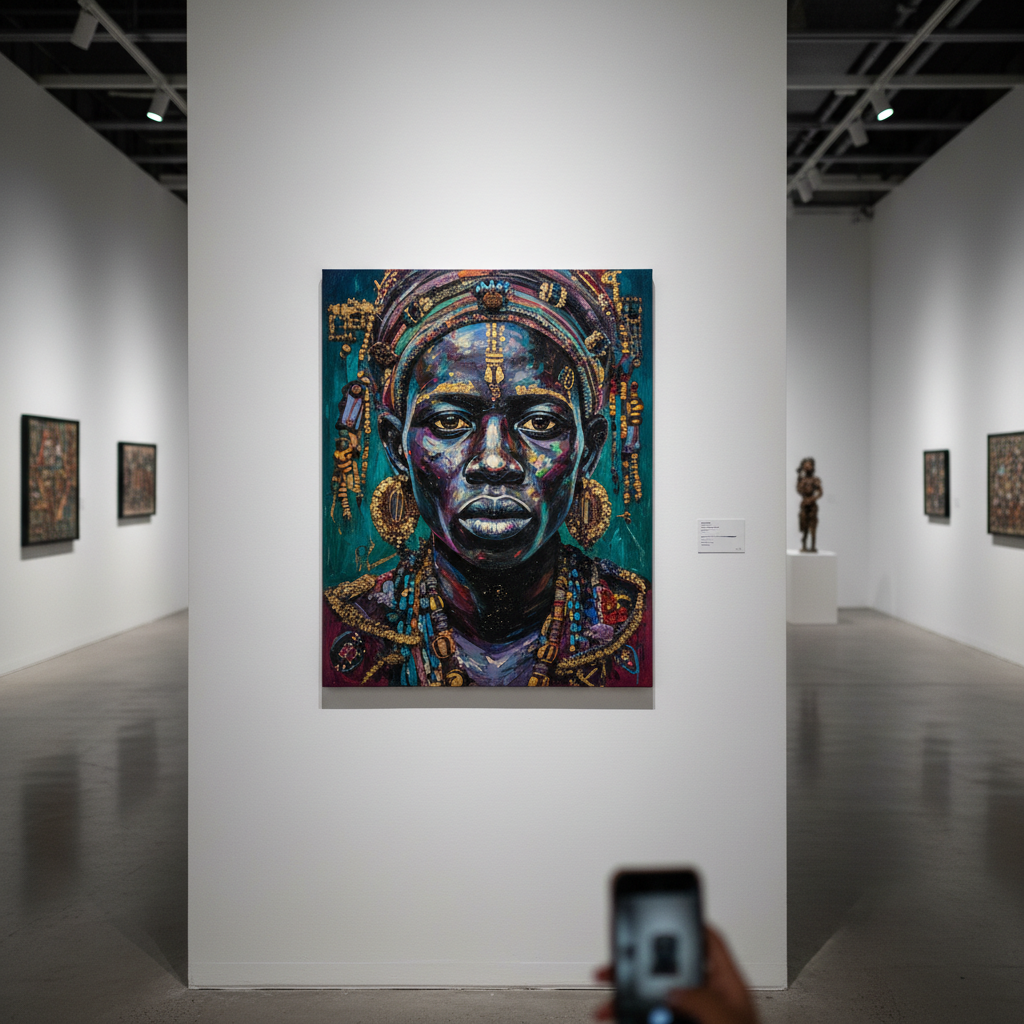
Preserving the cultural heritage of African masks is essential. Efforts are being made to ensure these symbols are respected and protected. Many museums and cultural institutions collaborate with African communities to preserve the traditional methods of mask-making and to educate the public about their significance.
Conclusion
Understanding African cultural symbols, such as masks, offers a glimpse into the richness and diversity of African traditions. These symbols are more than artistic expressions; they are vital connections to the past, present, and future of African communities. By appreciating these cultural treasures, we pay homage to the artistry and spirituality that define African heritage.