Behind the Mask: Understanding the Symbolism of African Masks
The Cultural Significance of African Masks
In many African cultures, masks hold a profound cultural significance, serving as more than just decorative items. They are deeply integrated into the social and spiritual practices of the communities that create them. Masks often represent spirits, ancestors, and deities, playing a crucial role in rituals, ceremonies, and storytelling.
African masks are not mere artistic expressions; they are vessels of tradition and communication. Each mask is unique, conveying specific messages and stories that are vital to the cultural identity of the community. Understanding the symbolism behind these masks requires a deep dive into the traditions and beliefs of the cultures that produce them.
The Materials and Craftsmanship
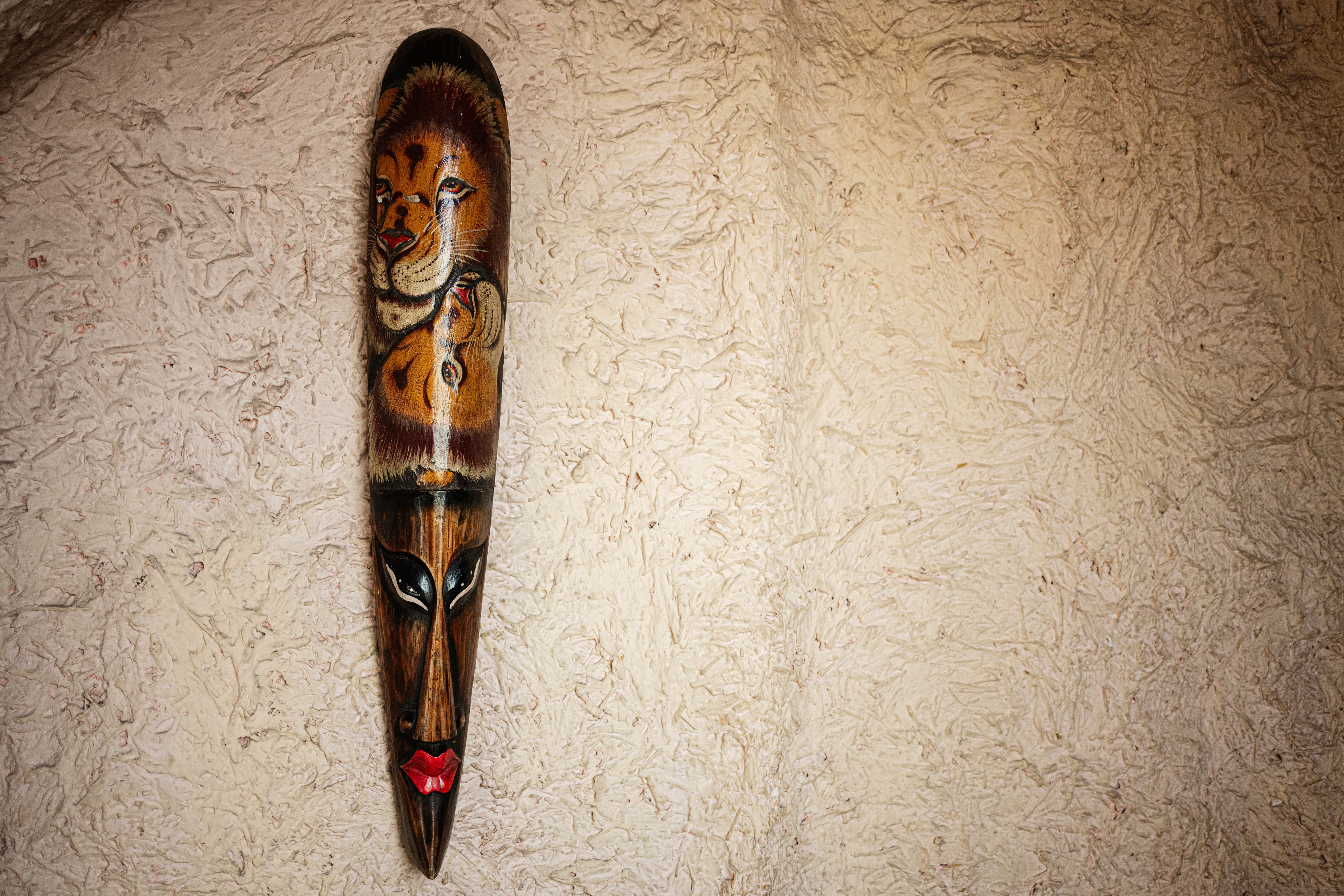
The materials used in crafting African masks are as diverse as the cultures themselves. Common materials include wood, ivory, metals, and textiles. The choice of material is significant, often dictated by the symbolism or intended use of the mask. For example, wood is frequently used because it is considered a living material that embodies the spirits.
The craftsmanship involved in creating these masks is a skilled art passed down through generations. Artisans meticulously carve and decorate each piece, ensuring that it faithfully represents the cultural stories and spiritual beliefs it embodies. The process is both a creative and spiritual act, as the creation of a mask is often accompanied by rituals and prayers.
The Role of Masks in Ceremonies
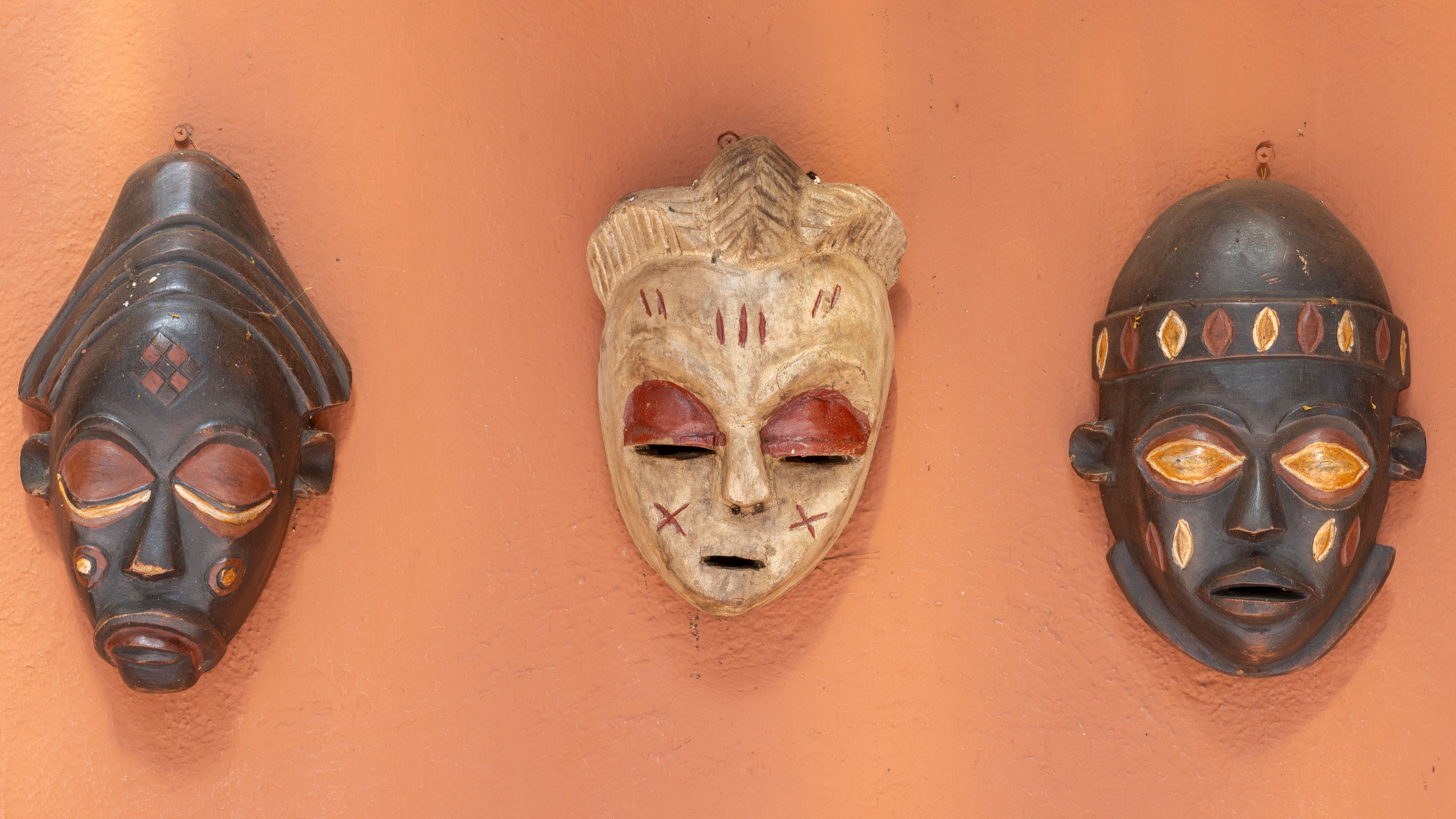
In many African societies, masks play a pivotal role in ceremonial events. They are often used in rituals related to fertility, initiation, healing, and funerals. During these ceremonies, the wearer of the mask is believed to be transformed, taking on the identity and characteristics of the spirit or ancestor the mask represents.
This transformation is not merely theatrical; it is a spiritual experience that connects the individual and the community to the divine or ancestral world. Masks enable the living to communicate with the spiritual realm, seeking guidance, protection, or blessings.
The Symbolism in Design
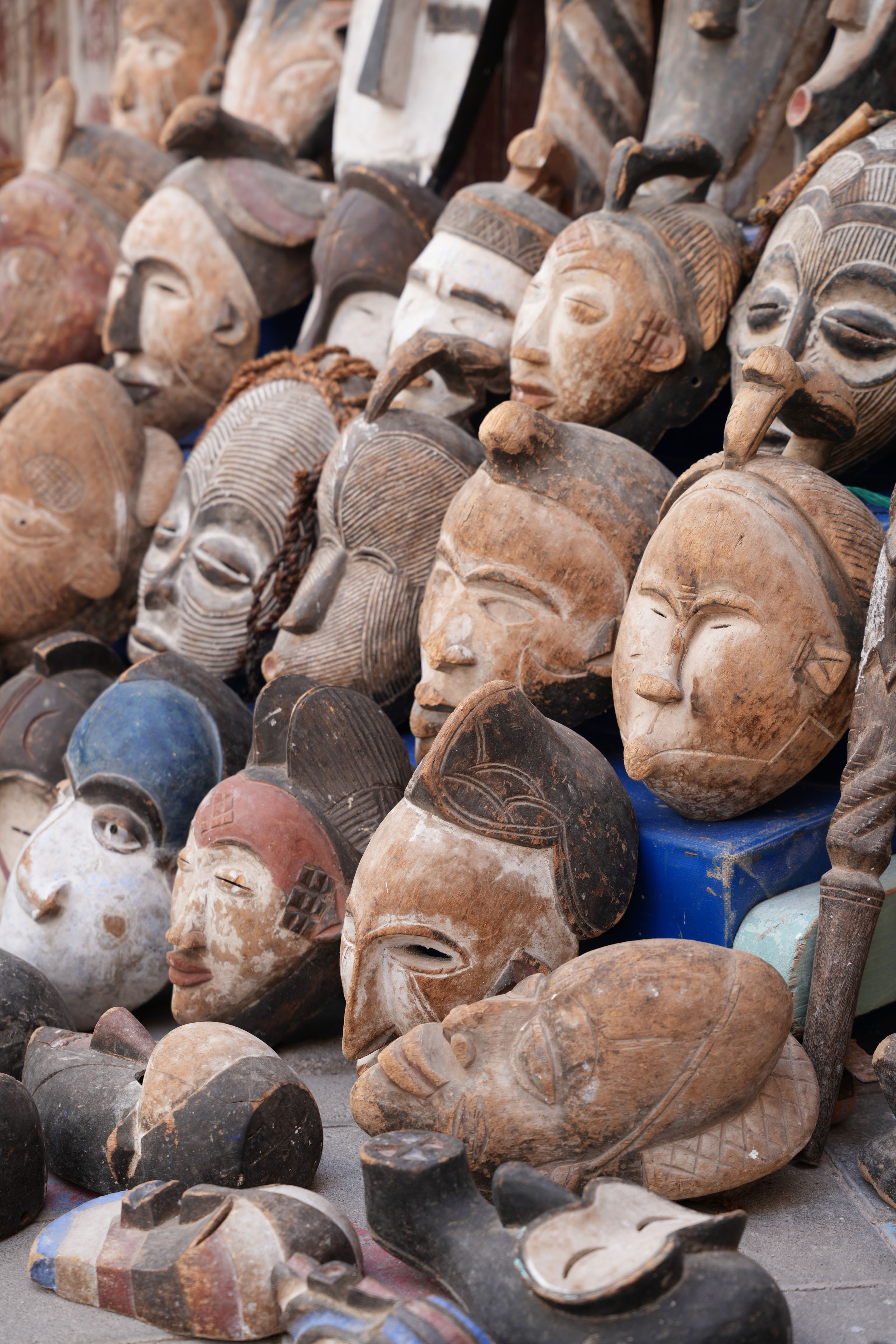
The design of African masks is rich with symbolism. Each shape, color, and pattern holds a specific meaning. For instance, elongated shapes may represent wisdom, while certain colors are used to signify different emotions or values. Red might symbolize blood and life force, while black could represent the unknown or the afterlife.
Understanding these symbols requires knowledge of the cultural context in which the mask was created. What may appear as simple decoration to an outsider often holds profound meaning and reflects the values and beliefs of the community.
The Global Influence of African Masks
African masks have not only influenced local cultures but have also made a significant impact on global art and design. Many Western artists, including Pablo Picasso, were inspired by the abstract and expressive nature of African masks, which played a role in the development of modern art movements like Cubism.
Today, African masks are appreciated worldwide for their artistic and cultural value. They are displayed in museums and galleries, serving as a testament to the rich cultural heritage and artistic ingenuity of African societies. However, it is crucial to approach these works with respect for their cultural significance and origins.