A Guide to Hosting an African Drum and Dance Workshop
Understanding the Essence of African Drum and Dance
African drum and dance are not just art forms; they are vital expressions of cultural identity and community. Hosting a workshop on these traditions offers a chance to explore the rich heritage and dynamic rhythms that have influenced music and dance globally. Whether you're an experienced educator or a curious enthusiast, organizing such a workshop can be a rewarding endeavor.
Planning Your Workshop
Setting Clear Objectives
Before you begin, define the purpose of your workshop. Are you aiming to educate participants on the historical significance of African drum and dance, or is the focus more on teaching the basic skills? Having a clear objective will guide your planning and ensure a cohesive experience for attendees.
Choosing the Right Venue
Selecting a suitable venue is crucial. Look for a space that accommodates movement and sound, such as a dance studio or community hall. Consider the acoustics, as the sound of drums needs to resonate clearly. Ensure there is enough space for participants to move freely.
Gathering the Necessary Materials
Instruments and Attire
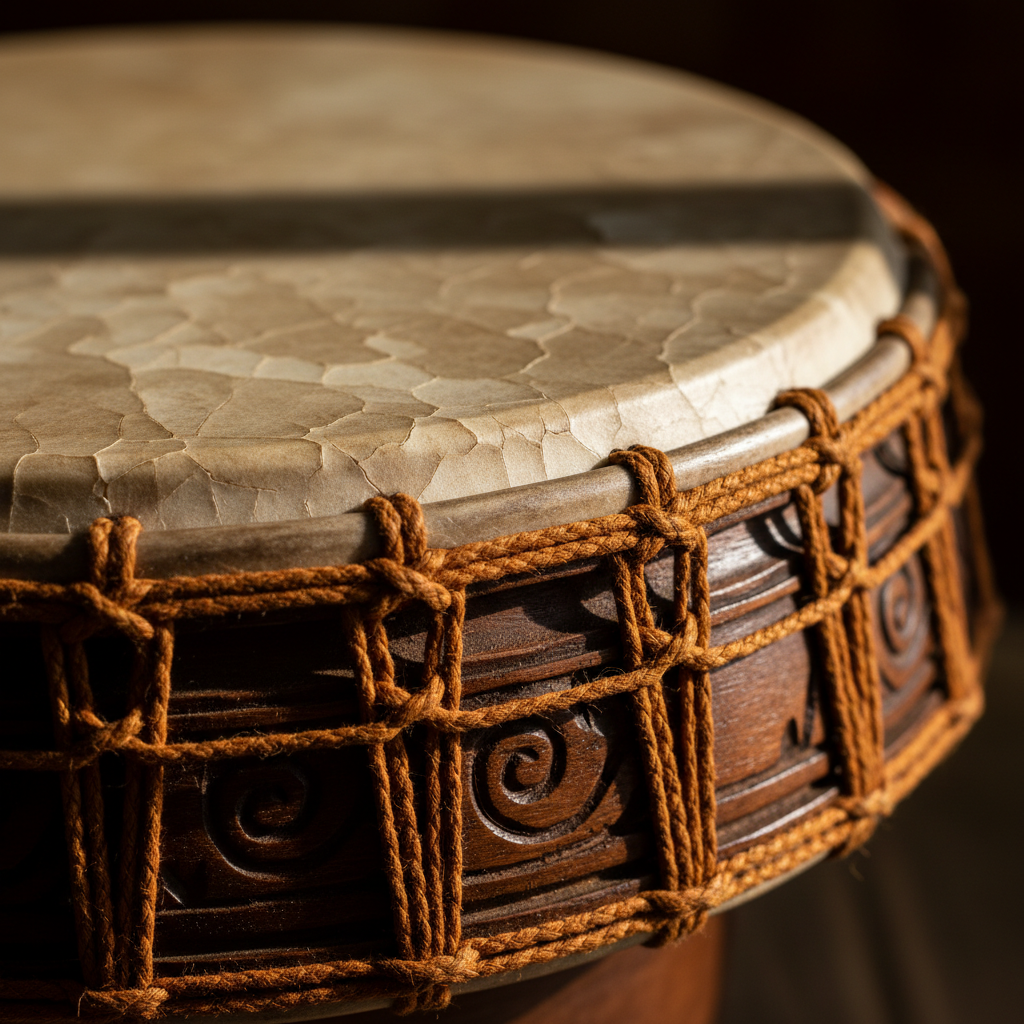
Essential to the workshop are the drums themselves—djembe and dunun drums are popular choices. Consider borrowing or renting instruments if you don’t have enough. Additionally, traditional African attire can enhance the experience, immersing participants in the cultural context.
Hiring Skilled Instructors
A knowledgeable instructor can make a significant difference. Look for someone with expertise in African drum and dance, preferably with experience teaching diverse groups. Their insights and skills will enrich the participants' learning experience.
Designing the Workshop Agenda
Introduction and Warm-Up
Begin with an introduction to the cultural background of African drumming and dance. Follow this with a warm-up session to prepare participants physically and mentally. This sets the stage for an engaging and energetic workshop.
Interactive Learning Sessions
Structure the workshop to include interactive sessions where participants can try drumming and dance moves. Break them into small groups to foster collaboration and personal attention. Encourage creativity and personal expression within the traditional framework.

Promoting Your Workshop
Effective promotion is key to attracting participants. Utilize social media platforms, local community boards, and partnerships with cultural organizations to spread the word. Highlight the unique opportunity to learn from experienced instructors and immerse in African culture.
Evaluating the Experience
After the workshop, gather feedback from participants to understand what worked well and what could be improved. This will help you refine future workshops and continue offering valuable cultural experiences. Celebrate your success and the new connections made through the power of music and dance.