A Cultural Journey: The Significance of African Masks in Dance
Introduction to African Masks
In the rich tapestry of African culture, masks hold a place of profound importance. They are not merely artistic expressions but are deeply embedded in the cultural and spiritual life of various communities. Used in rituals and ceremonies, African masks serve as a bridge between the physical and spiritual worlds.

The Role of Masks in Dance
African masks are intricately linked to dance performances. These dances are more than entertainment; they are a form of storytelling, a way to pass down traditions, and a medium to convey spiritual beliefs. The dancer, adorned with the mask, becomes a conduit for ancestral spirits, embodying their wisdom and power.
The movements of the dance are often dictated by the mask itself, each design influencing the rhythm and style of the performance. The connection between the dancer and the mask is sacred, allowing the community to communicate with the divine.
Symbolism and Meanings
Each mask is unique, laden with symbolism. The designs, colors, and materials used have specific meanings. For instance, the color white might symbolize peace and purity, while red could represent power and vitality. Animal motifs often highlight revered traits like strength, courage, or wisdom.
Materials and Craftsmanship
The craftsmanship of African masks is a testament to the skill and creativity of artisans. Masks are typically made from wood, but other materials such as ivory, fabric, and metals are also used. The choice of material often depends on the intended purpose and significance of the mask.
The process of creating a mask is sacred, often involving rituals to imbue the mask with spiritual power. This intricate craftsmanship ensures that each mask is not only a work of art but also a vessel of cultural heritage.
Regional Variations
African masks vary significantly across regions, each with distinct styles and functions. For example:
- The masks of the Yoruba people are known for their elaborate beadwork.
- The Dogon people create masks that are geometrically intricate.
- The Pende masks from Central Africa are often used in rites of passage.
Modern Influence and Appreciation
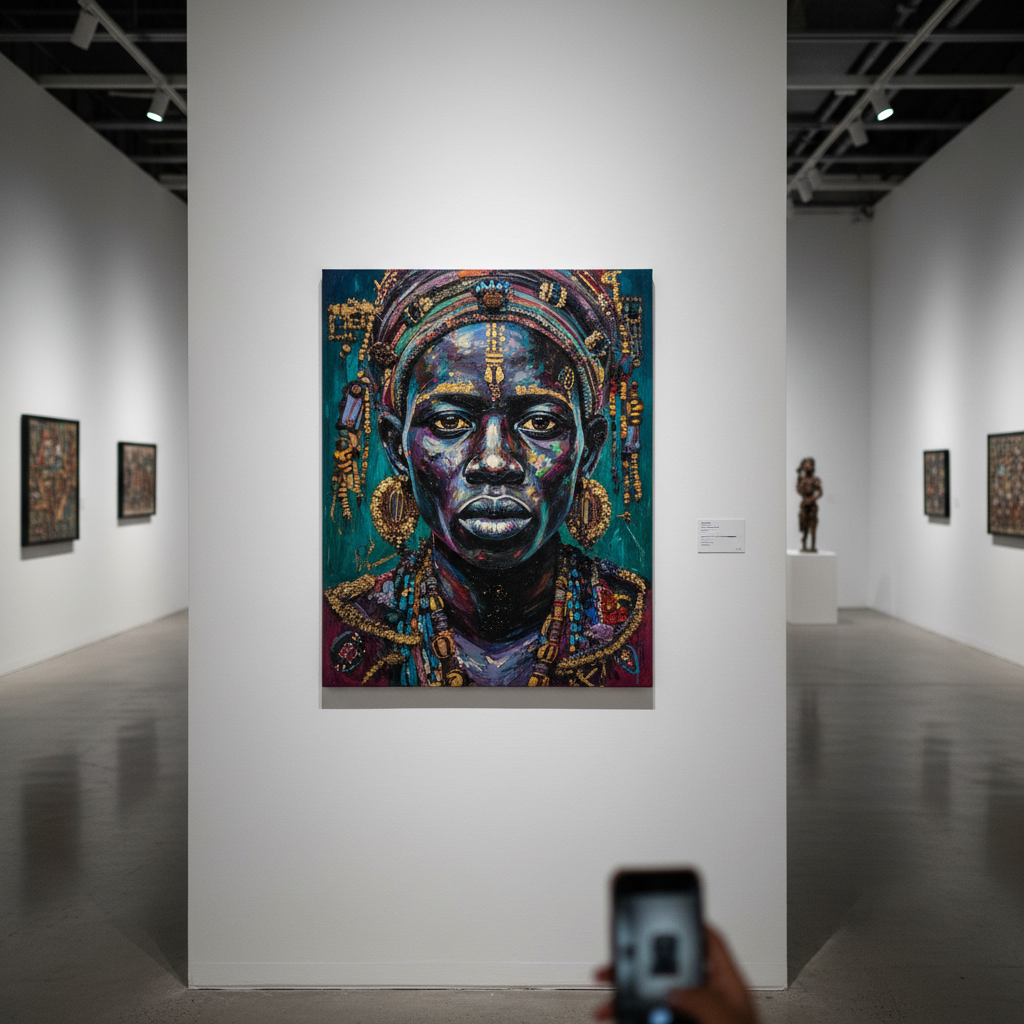
Today, African masks continue to influence global art and fashion. They are appreciated for their aesthetic value and cultural significance. Contemporary artists often draw inspiration from these traditional forms, creating a dialogue between past and present.
Moreover, museums and galleries worldwide exhibit African masks, offering insights into the diverse cultures of Africa and promoting a deeper understanding of their historical context.
Preserving Cultural Heritage
The preservation of African masks is crucial for maintaining cultural heritage. Initiatives to protect and document these artifacts are vital, ensuring that future generations can appreciate and learn from these powerful symbols of African identity.
Local communities, along with international organizations, are actively engaged in preserving these traditions, highlighting the enduring legacy of African masks in shaping cultural narratives.
Conclusion
African masks are more than artistic expressions; they are embodiments of cultural identity, spirituality, and history. Their significance in dance highlights their role in connecting communities to their ancestral roots and spiritual beliefs. As we continue to appreciate and study these cultural treasures, we gain a deeper understanding of the diverse and rich traditions of Africa.