
A Beginner's Guide to African Drumming Techniques
Introduction to African Drumming
African drumming is a vibrant and dynamic musical tradition that has captivated audiences around the world. Its powerful rhythms and rich cultural heritage make it a fascinating subject for beginners and seasoned musicians alike. In this guide, we'll explore some of the key techniques and instruments involved in African drumming.

The Importance of Rhythm
At the heart of African drumming is rhythm, which serves as the foundation for this musical art form. African rhythms are often polyrhythmic, meaning they involve multiple, interlocking beats. Understanding these complex patterns is essential for any aspiring drummer.
To start, focus on mastering a basic rhythm and gradually build your skills by incorporating more complex patterns. Practice is crucial, as developing a strong sense of timing will significantly enhance your drumming abilities.
Understanding the Instruments
African drumming features a variety of instruments, each with its unique sound and role. The most well-known is the djembe, a goblet-shaped drum played with bare hands. It's known for its versatility and rich tones.
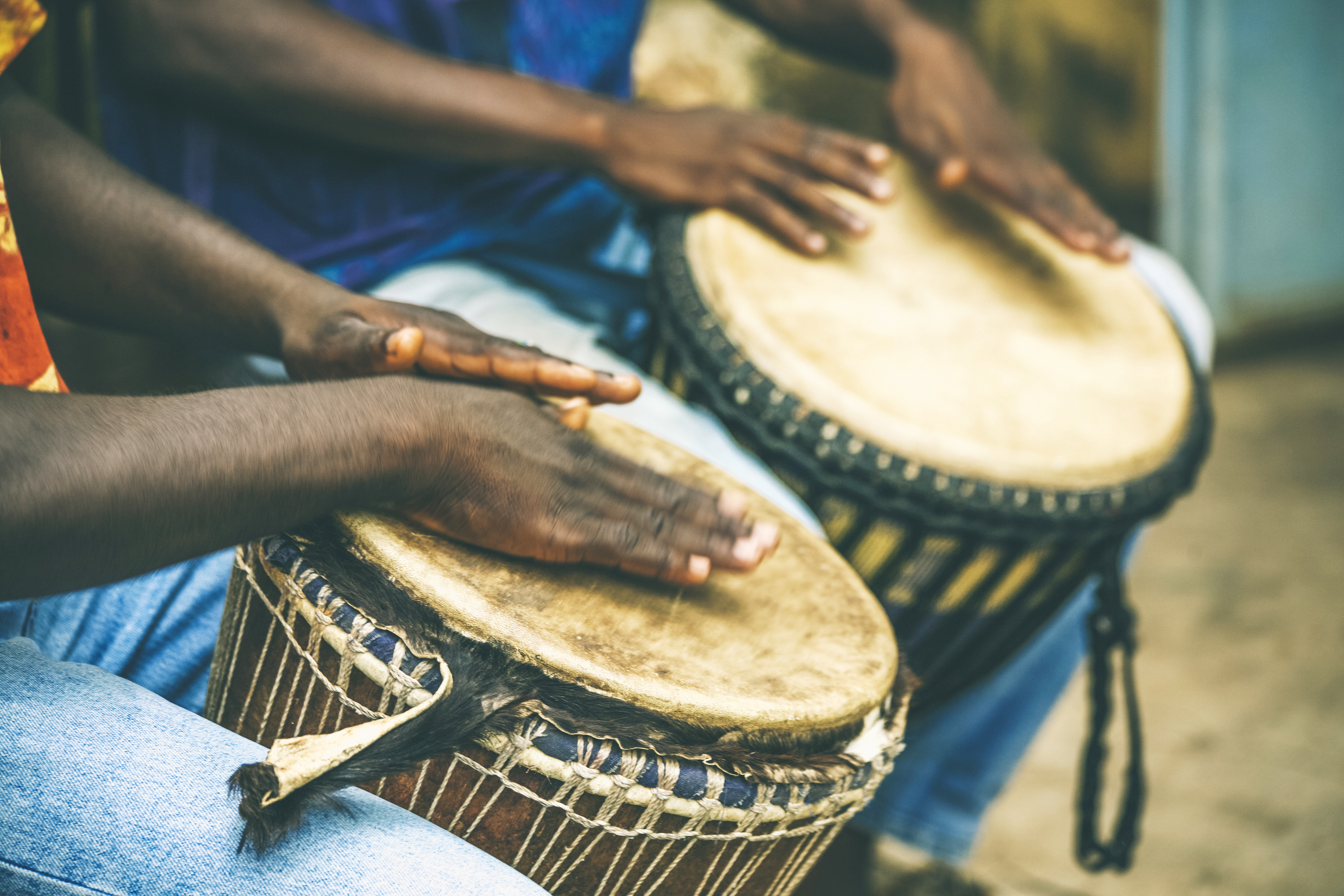
Other important instruments include the dundun, a cylindrical drum played with sticks, and the talking drum, which can mimic the tone and prosody of human speech. Each instrument adds a distinct voice to the ensemble, creating a rich tapestry of sound.
Basic Drumming Techniques
For beginners, learning the basic drumming techniques is crucial. Here are a few foundational techniques to get you started:
- Slap: Use the tips of your fingers to create a sharp, high-pitched sound.
- Tone: Strike the drumhead with the pads of your fingers, producing a clear, resonant sound.
- Bass: Hit the drum with the palm of your hand to generate a deep, low sound.

Practicing and Improving
Consistent practice is the key to mastering African drumming. Set aside regular time to work on your technique and explore different rhythms. Playing with others is also beneficial, as it allows you to experience the communal aspect of African drumming and learn from more experienced players.
Consider joining a drumming circle or taking lessons from a seasoned instructor to further enhance your skills. Engaging with a community of drummers can provide both inspiration and valuable feedback.
Embracing the Cultural Context
African drumming is deeply rooted in the cultural and social practices of African communities. Understanding the cultural significance of the rhythms and how they are used in various ceremonies and celebrations can enrich your drumming experience.

Research the history and traditions behind the music to develop a deeper appreciation of its role in African society. This knowledge will not only enhance your drumming but also connect you more closely to the art form.
Conclusion
African drumming offers a rich and rewarding journey for anyone interested in exploring its rhythms and techniques. Whether you're a complete beginner or looking to refine your skills, embracing the cultural and musical aspects of African drumming will lead to a more fulfilling experience. Start your drumming journey today, and immerse yourself in the vibrant world of African rhythms.